Cast Acrylic Sheet
The fabricator’s grade — machines cleanly, engraves sharply, flame-polishes to an optical edge.
Sheet for the fabricators who build display cases, stands, shelving and shop fittings — cast for machining, extruded for laser work.
We supply the sheet, not the finished case. If you fabricate display cases, plinths, stands, shelving or shop fittings, this page covers what to specify and why — because in display work the material choice shows up directly in the finished edge, and a customer rejecting a case over a hazy edge is an expensive way to learn it.
Display is also the application where acrylic beats polycarbonate outright: better clarity, a harder surface that survives daily handling, and a far better finished edge.
This single decision causes more display-trade complaints than everything else combined:
| Your process | Specify | What happens if you get it wrong |
|---|---|---|
| CNC routing, engraving, flame polishing | Cast | Extruded gums behind the cutter and leaves a rough, welded edge |
| Laser cutting for a clear polished edge | Extruded | Cast lasers cleanly but the edge comes out frosted, not clear |
| Solvent bonding boxes and cases | Cast | Extruded is prone to crazing at bonded joints under stress |
| Thermoforming curved fronts | Either — cast has a wider window | Extruded needs tighter temperature control |
If your workshop does both laser and router work, order both. They are not interchangeable and treating them as one line item is a false economy.
| Product | Typical thickness |
|---|---|
| Small display boxes and cases | 3 mm |
| Larger cases, plinths, counter units | 5 mm |
| Shelving under load | 8–10 mm (deflection, not strength, is the limit) |
| Sign faces and lettering | 3–5 mm |
| Freestanding stands and screens | 5–10 mm |
Acrylic shelving fails by sagging long before it breaks. If you are quoting shelf units, send us the span and the load and we will tell you the thickness that will not bow in six months — including when the honest answer is that acrylic is the wrong material for that span.
Two things matter more to a fabrication shop than the sheet price:
Consistent thickness. Bonded boxes need repeatable dimensions. Extruded acrylic holds roughly ±5% against cast at ±10% — if your jigs are fixed, that difference decides whether the joints close.
Film that survives the workshop. Sheet arrives filmed both faces; tell us if you need low-tack film for laser work or a heavier film for routing, and we will match it rather than shipping the default.
We also cut to size on 22 CNC centres at the order-specific CNC tolerance confirmed after material, thickness, part geometry and drawing review — see cut to size. Ordering nested blanks instead of full sheets removes your offcut waste and the freight you paid to ship it.
For acrylic retail display sheet projects, Plastura checks retail display material selection before confirming the material. Send the span or finished dimensions, exposure and load conditions, preferred appearance, fabrication needs, and quantity. Standard stock sizes and colours normally run in 7–10 days; non-standard extrusion in 12–18 days; allow another 3–7 days for CNC work. The published starting point is 100 m² or 1 tonne, quoted in USD on FOB, CIF or DDP terms. See MOQ, lead time and shipping for planning details.
No. We manufacture and machine the sheet; you build the product. We will cut blanks to your drawing at the order-specific CNC tolerance confirmed after material, thickness, part geometry and drawing review, but we do not bond, assemble or brand finished cases.
Extruded. Cast acrylic laser cuts cleanly but leaves a frosted edge, which then needs flame or diamond polishing to clear. If a polished edge straight off the machine is the goal, order extruded.
Usually solvent crazing on extruded sheet, made worse by stress from a tight jig. Cast acrylic has better chemical resistance and is the correct material for solvent-bonded work.
Yes. Send the DXF and we nest and cut the blanks, so you receive parts ready to bond rather than sheet to break down.
Request a quote MOQ & shipping
Acrylic is usually the first candidate when optical appearance, polished edges and colour presentation lead the decision. Polycarbonate becomes relevant where customer contact, repeated handling, transport or impact creates a realistic breakage risk. The final choice should also account for cleaning products, frame support and how easily a damaged panel can be replaced.
| Decision factor | Acrylic route | Polycarbonate route |
|---|---|---|
| Visual presentation | Screen for clarity, colour and edge finish | Confirm acceptable surface and coating |
| Impact exposure | Use where breakage risk is controlled | Screen where people or products may strike the panel |
| Fabrication | Confirm bonding, polishing and visible joints | Confirm machining, bending, holes and stress control |
Send the finished drawing, panel thickness, overall dimensions, opening method, visible-edge requirement, quantity and packaging route. Identify any cleaner, sanitizer or product chemical that may contact the sheet. For repeated production, mark critical dimensions and inspection points rather than applying one tolerance to every feature.
Compare acrylic sheet options, review solid polycarbonate, or submit the drawing through the display-case RFQ route.
From the factory
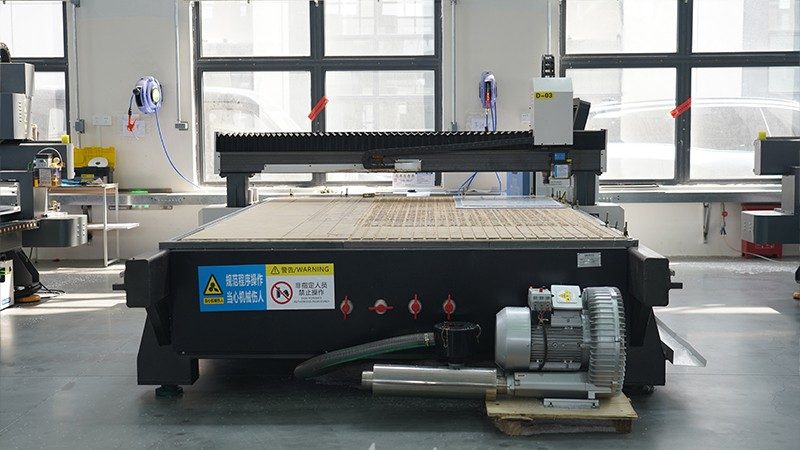
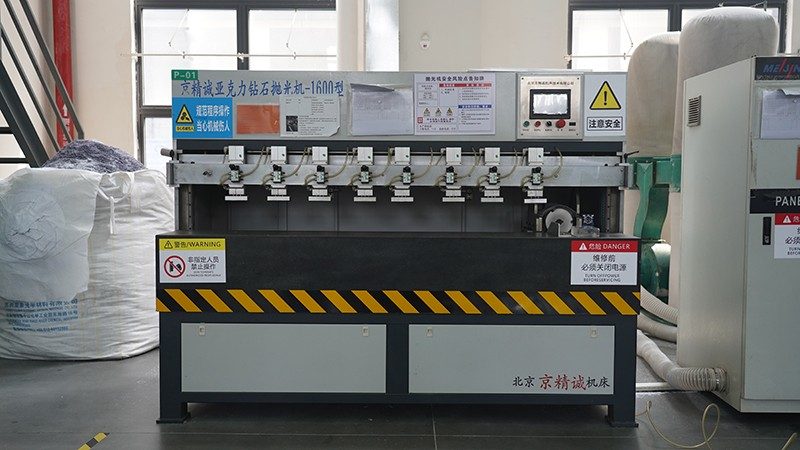


Images show the referenced product, process or application. Ask for a current production sample when colour, finish or fit must be approved.
Where to look next
The fabricator’s grade — machines cleanly, engraves sharply, flame-polishes to an optical edge.
Up to 92% light transmission — clearer than glass, half the weight, and it does not yellow.
Profiles, cut-outs, holes and engraving from your DXF, DWG or STEP files — 22 machines.
Shatter-resistant mirror at half the weight of glass — for retail, gyms, and anywhere breakage is a risk.
Start with a trial order
Thickness, size, colour, quantity — or just upload the drawing. We quote in USD on FOB, CIF or DDP terms, from 100 m² or 1 tonne. No full-container commitment required.