Wholesale Pricing
How our pricing tiers actually work, and what moves a quotation up or down.
Our minimum is 100 m² or 1 tonne — roughly 350 kg of 3 mm acrylic. Here is what that means in weight, time, cost and packing.
Most Chinese sheet manufacturers will not talk to you below a full container. We start at 100 m² or 1 tonne. This page sets out exactly what that means, what it costs to ship, and how long it takes — before you send an enquiry, not after.
Our MOQ is 100 m² or 1 tonne, whichever suits the order. We apply whichever measure is more favourable to you: thin sheet is easier to reach by area, thick sheet by weight.
To put 100 m² in perspective:
| Material & thickness | 100 m² weighs about | Standard sheets (1220 × 2440 mm) |
|---|---|---|
| Acrylic, 3 mm | 350 kg | 34 sheets |
| Polycarbonate solid, 3 mm | 360 kg | 34 sheets |
| Polycarbonate solid, 5 mm | 600 kg | 34 sheets |
| Multiwall polycarbonate, 6 mm | 130 kg | 34 sheets |
A 350 kg trial order occupies a fraction of a 20-foot container. That is the whole point: you can test the material, the tolerances and our responsiveness on a pallet, then scale to containers once your customers confirm.
We extrude our own sheet on seven production lines with 20,000 tonnes of annual capacity. A trial pallet runs on the same line as a 40-tonne order — we are not buying stock from a third party and marking it up, so a small order does not break a supply chain. Traders who buy from mills have to meet the mill’s minimum before they can quote you at all.
| Order type | Production lead time |
|---|---|
| Standard sizes, stock colours (clear, opal, grey, brown) | 7–10 days |
| Non-standard thickness or width | 12–18 days |
| Custom colour matching | 15–20 days |
| CNC cut-to-size or formed parts | Add 3–7 days to the above |
Lead time starts when the deposit clears and the specification is frozen — not when the enquiry arrives. If a drawing changes after production starts, the clock restarts, so it is worth getting the DXF right before you sign off.
All quotations are issued in USD. We quote on three terms and will tell you which one is cheapest for your destination rather than defaulting to the one that is easiest for us:
Payment terms are 30% deposit with the balance against the copy bill of lading. For repeat customers we review terms after the third order.
We ship to more than 30 countries. Sea freight is the default for anything above 300 kg; air freight is available for samples and urgent replacement parts.
| Destination | Typical sea transit from Shanghai |
|---|---|
| UK & Northern Europe | 30–38 days |
| US West Coast | 18–25 days |
| US East Coast | 30–36 days |
| Australia | 18–24 days |
| Middle East | 18–24 days |
Transit times are carrier schedules, not promises — port congestion moves them. We give you the booking reference so you can track the vessel yourself.
Yes — we quote and ship to the United States, and the term you choose decides who deals with US Customs rather than whether we can supply you.
Sea transit runs 18–25 days to the US West Coast and 30–36 days to the East Coast on carrier schedules, as in the table above.
What we provide, and what stays with you. We supply the commercial invoice, packing list, bill of lading and the material documents agreed for the order. Tariff classification and the duty rate that follows from it are the importer’s determination, not ours — polycarbonate and acrylic sheet can classify differently depending on form, thickness and whether the panel has been worked. Confirm the classification with your customs broker before you compare a DDP price against an FOB one, because that single line can move the landed cost more than the sheet price does.
Sheet ships with protective film on both faces, interleaved and strapped to fumigated wooden pallets, edge-protected and corner-boarded. Cut parts are individually filmed and boxed. Damage in transit is rare; when it happens, photograph the pallet before it leaves the dock — that is what the insurer will ask for.
A4 sample pieces of any standard grade are free; you pay the courier. Samples of custom colours or non-standard constructions are charged at cost and credited against your first order.
Items 1–4 are enough for an indicative price. All six get you a firm quotation, usually within one working day.
100 m² of 3 mm acrylic weighs about 350 kg — roughly 34 standard 1220 × 2440 mm sheets, and a fraction of a 20-foot container. In 5 mm polycarbonate the same area is about 600 kg.
Because most of them are trading companies buying from a mill, and the mill sets the minimum. We extrude our own sheet, so a trial pallet runs on the same line as a 40-tonne order and costs us little to schedule.
DDP, in most cases. It is delivered and duties paid, so there are no surprises while you are still evaluating us. Move to FOB once you have a forwarder and are consolidating with other suppliers — that is usually the cheapest route at volume.
30% deposit with the balance against copy bill of lading. Terms are reviewed after the third order, once a trading history exists.
Protective film on both faces, interleaved, strapped to fumigated wooden pallets with edge protection and corner boards. Cut parts are individually filmed and boxed. Photograph any damaged pallet before it leaves the dock — that is what the insurer will ask for.
They start when the deposit clears and the specification is frozen. If a drawing changes after production begins the clock restarts, so it is worth finalising the DXF before signing off.
Buyer planning module
For: It is for purchasing teams combining polycarbonate and acrylic sheets or finished parts into one order.
Key variables: Key variables are grade, thickness, color, cut pieces, mixing across product families, destination, and Incoterm.
Limit: Plastura's MOQ, lead time, and pricing policies are not published here; ask the supplier to state the terms for your order.
Next step: Use the illustrative order examples, then submit quantities, sizes, and destination for a written quotation.
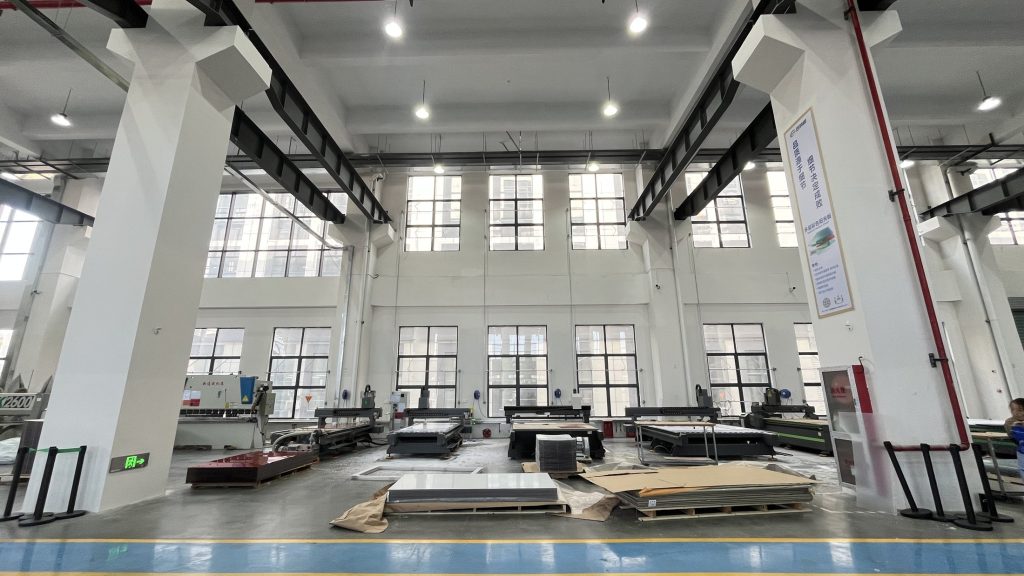
Plastura's minimum order quantities, lead times, pricing, and Incoterm policies are not published in this package because they are not yet approved for publication. Ask the supplier to state the terms that apply to your order.
The order variables that shape MOQ and lead time include quantity per SKU, grade, thickness, color, whether parts are cut pieces, and whether the order mixes product families. Ask which variables the supplier needs to confirm for your order.
Define the MOQ unit you need: per SKU, per thickness, per color, per grade, per extrusion run, or per combined order. Ask which unit applies to your order.
Ask how mixing works: PC and PMMA in one order, mixed thicknesses, colors, standard sizes, and cut pieces, and whether separate rules apply to custom color, optical, fire-retardant, ESD, coated, and CNC orders.
Ask whether samples count toward the minimum order quantity and how sample approval affects the production release.
The lead-time clock depends on when the order is confirmed, whether drawings or samples need approval, and whether a deposit is required. Ask the supplier to state the clock start, peak-season caveats, and the target date for your order.
Ask the supplier to state packing and loading details and quote validity for your order. You select the Incoterm (for example FOB, CIF, or DDP) in the RFQ; each term defines where cost and risk transfer.
Illustrative arithmetic, not a quotation: 100 requested PC sheets + 50 requested PMMA sheets = 150 requested sheets in the buyer's planning total, shown compactly as 100 + 50 = 150. Ask the supplier whether PC and PMMA can be mixed in one order.
Illustrative arithmetic, not a quotation: 200 requested parts ÷ 4 equal delivery lots = 50 requested parts per lot in the buyer's delivery plan, shown compactly as 200 ÷ 4 = 50. Whether four delivery lots are feasible, and on what terms, remains an unanswered supplier question.
Illustrative arithmetic, not a quotation: 10 sample-stage units + 500 planned production units = 510 units across the buyer's two planning stages, shown compactly as 10 + 500 = 510. No statement is made that the supplier accepts either quantity or treats the stages as separate orders.
| Choose this when | Do not choose this when |
|---|---|
| you are combining sheets, grades, or finished parts into one order and need the order variables confirmed | you need binding prices or delivery dates today; those come from the written quotation |
| Property | Value | Unit | Product Grade | Thickness Specimen | Test Method Standard | Evidence Status | Qualification |
|---|---|---|---|---|---|---|---|
| MOQ unit | Confirm against required standard and order grade | per SKU, thickness, color, grade, run, or combined order | order-specific | n/a | n/a | not published | ask which unit applies to the order |
| Mixing rules (PC and PMMA, thicknesses, colors, and cut pieces) | Confirm against required standard and order grade | n/a | order-specific | n/a | n/a | not published | ask how the order composition is treated |
| Sample policy | Confirm against required standard and order grade | n/a | order-specific | n/a | n/a | not published | ask whether samples count toward the minimum |
| Lead-time clock start and dependencies | Confirm against required standard and order grade | n/a | order-specific | n/a | n/a | not published | ask for the clock start, approvals, and deposit |
| Packing and loading | Confirm against required standard and order grade | n/a | order-specific | n/a | n/a | not published | ask for packing and loading details |
| Quote validity | Confirm against required standard and order grade | n/a | order-specific | n/a | n/a | not published | ask how long the quotation remains valid |
| Incoterm options | Confirm against required standard and order grade | FOB, CIF, or DDP as selected | order-specific | n/a | n/a | buyer input | ask which terms apply to the selected Incoterm |
Review date: 2026-08-26. Fact owner: Unassigned — owner approval required. Applicable grade: order-specific.
The date shown here is the local draft evidence-gate review date, not a company fact-verification or department approval date. Ask in the RFQ which order-planning confirmations, such as MOQ unit, mixing rules, and lead-time clock, can be provided in writing.
Ask in the RFQ whether a batch COA or certificate can be provided for each line of the order.
Related buyer paths
From the factory
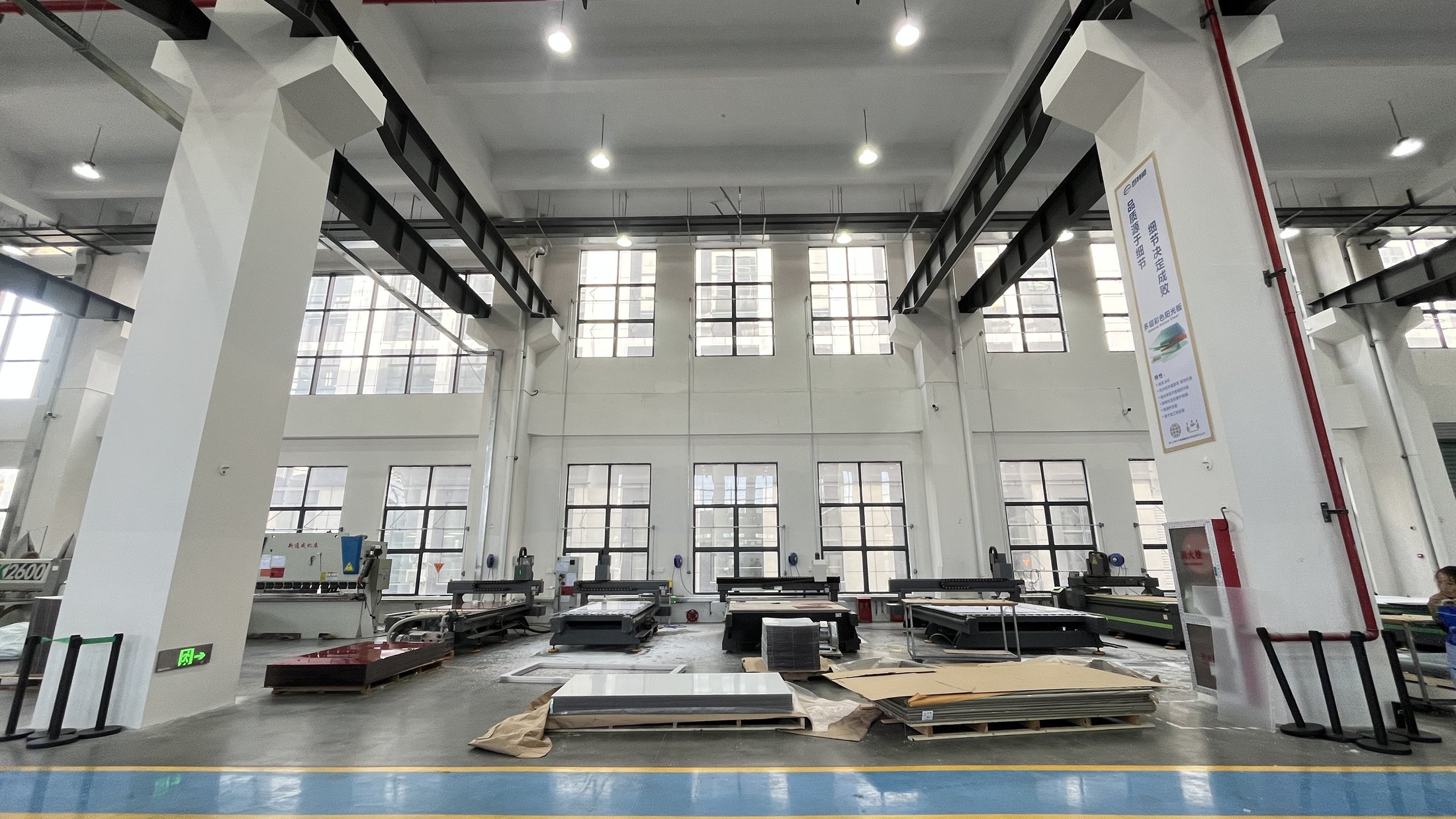
Images show the referenced product, process or application. Ask for a current production sample when colour, finish or fit must be approved.
Where to look next
How our pricing tiers actually work, and what moves a quotation up or down.
What we offer distributors, what we ask in return, and how the first year usually goes.
Panels at your finished dimensions, cut at the factory — no local sawing, no offcut waste, no freight on scrap.
Non-standard thickness, width, colour and construction — what we can make, and what we cannot.
Start with a trial order
Thickness, size, colour, quantity — or just upload the drawing. We quote in USD on FOB, CIF or DDP terms, from 100 m² or 1 tonne. No full-container commitment required.