About the Factory
Plastura identifies Jiangsu Xinjincheng Materials Co., Ltd. as the fact owner for this page; request current entity, equipment and material…
Named resin suppliers, testing against EN and ASTM methods, and what we will tell you when something goes wrong.
Sheet quality is decided long before anyone measures the finished product. It is decided by what goes into the extruder.
We buy virgin polycarbonate granules from Covestro, SABIC and Mitsubishi Chemical under long-term agreements. Standard production contains no recycled or reprocessed feedstock. This is the most expensive decision we make and the one that matters most.

Reprocessed polycarbonate is cheaper, and a sheet made from it looks identical on the day it arrives. The difference shows up two or three years later as yellowing, falling light transmission and brittleness — long after the invoice was settled and usually after the installer has moved on.
Our sheet is specified to retain ≥ 85% light transmission after ten years. That figure is only achievable with virgin resin.
| Stage | Control |
|---|---|
| Incoming resin | Supplier certification, batch traceability |
| Extrusion | Continuous line monitoring, thickness control |
| Dimensional | Checked against the order specification |
| Optical | Light transmission and haze on production samples |
| Mechanical | Impact testing to internal standards |
| Environmental | Verified stable −40 °C to 120 °C by national testing |
| Machining | the order-specific CNC tolerance confirmed after material, thickness, part geometry and drawing review on CNC operations |
Our internal technical standards for optical performance, impact strength and weathering are aligned to EN and ASTM test methods, developed by our in-house research institute — six PhDs and 23 core patents.
It occasionally does. What we ask is photographs of the material and the installation, the batch information from the packaging, and the service conditions.
Most field failures we investigate turn out to be installation issues — UV face installed downwards, ribs run across the slope, fixings over-tightened with no allowance for thermal movement, or an incompatible cleaning chemical. We will tell you when that is the case, with the evidence, and we will tell you equally plainly when the sheet was at fault.
For polycarbonate sheet quality control enquiries, Plastura’s Jiangsu team confirms the specification, quantity, fabrication scope, destination, and delivery target before quoting. Standard stock sizes and colours normally run in 7–10 days; non-standard extrusion in 12–18 days; allow another 3–7 days for CNC work. The published starting point is 100 m² or 1 tonne, quoted in USD on FOB, CIF or DDP terms. See MOQ, lead time and shipping for planning details.
Yes — resin supplier certification and batch traceability for the material supplied. Tell us at order stage if your customer requires documentation, so it travels with the shipment.
Our internal standards for optical, impact and weathering performance are aligned to EN and ASTM methods. For a specific certified test against a named standard, tell us which one and we will confirm what we can provide before you order.
Ask for a sample and compare it edge-on against sheet from another supplier. Recycled content shows as a grey-yellow cast in the edge, which is the hardest place to hide it.
Request a quote MOQ & shipping
Buyer planning module
For: It is written for quality engineers and procurement reviewers evaluating Plastura's inspection and release process.
Key variables: Variables are incoming resin checks, extrusion start-up, in-process control, first-article review, final inspection, and records.
Limit: Specific instruments, frequencies, and acceptance ranges are not publicly verified and must be confirmed in the order control plan.
Next step: Request the current control plan, lot-code structure, and a sample COA when you submit your RFQ.
Sample-to-production consistency depends on the control plan agreed for your order. Request the current control plan, including instruments, frequencies, records, and acceptance ranges, before production starts.
A lot code should let you trace a sheet back to its production batch. Ask how lot codes are structured on your order and which records each code retrieves.
Agree how the sample is approved and how production release works before the order is confirmed, so sample and production acceptance criteria match.
Nonconformance handling is part of a quality system; ask how a rejected batch is quarantined, investigated, and corrected, and how the outcome is reported to you.
When you request a COA, ask that it state product identity, batch or lot, quantity, and the tested properties agreed for the order.
Ask whether third-party pre-shipment inspection can be arranged for your order; do not assume it is available.
If your project requires a specific standard, name the standard and its edition in the RFQ; do not assume a general quality statement covers it.
| Choose this when | Do not choose this when |
|---|---|
| you need documented control from sample through production for your order | you need a third-party certified test report; ask in the RFQ whether such a report can be provided for your order |
| Property | Value | Unit | Product Grade | Thickness Specimen | Test Method Standard | Evidence Status | Qualification | Stage | Check | Instrument Method | Frequency | Record | Acceptance Basis | Buyer Document |
|---|---|---|---|---|---|---|---|---|---|---|---|---|---|---|
| Incoming resin — identity, lot, and document check | Not publicly verified — confirm current control plan for the order | n/a | order-specific resin | n/a | confirm the current method | not publicly verified | ask for supplier and batch documents for the order | Incoming resin | identity, lot, and document check | ask the supplier to state the current method — not publicly verified | ask the supplier to state the current frequency | lot record — ask whether it can be provided for the order | approved specification — ask the supplier to confirm against required standard and order grade | supplier or batch document — ask which can be provided with the order |
| Extrusion start-up — thickness, appearance, and colour | Not publicly verified — confirm current control plan for the order | n/a | order-specific grade | order-specified | confirm the current method | not publicly verified | ask for start-up records and the product specification | Extrusion start-up | thickness, appearance, and colour | ask for the current method — not publicly verified | ask for the current frequency | start-up record — ask whether it can be provided | product specification — ask the supplier to confirm the current one | COA or inspection summary — ask which can be provided |
| In-process — thickness, width, and optics | Not publicly verified — confirm current control plan for the order | n/a | order-specific grade | order-specified | confirm the current method | not publicly verified | ask for process records and the order tolerance | In-process | thickness, width, and optics | ask for the current method — not publicly verified | ask for the current frequency | process record — ask whether it can be provided | order tolerance — ask how it is applied to the order | order-specific record — ask which can be provided |
| CNC first article — critical dimensions | Not publicly verified — confirm current control plan for the order | n/a | order-specific grade | order drawing | confirm the current gauges | not publicly verified | first-article record requested through the order | CNC first article | critical dimensions | ask which gauges are used — not publicly verified | first-article rule — ask how it applies to the order | FAI record — ask whether it can be provided | drawing tolerance — ask the supplier to confirm | FAI record — ask which can be provided with the order |
| Final inspection — quantity, dimensions, appearance, and packing | Not publicly verified — confirm current control plan for the order | n/a | order-specific grade | order-specified | confirm the current sampling | not publicly verified | ask for the final report, COA, or inspection summary | Final inspection | quantity, dimensions, appearance, and packing | ask for the current sampling method — not publicly verified | ask for the current sampling frequency | final report — ask whether it can be provided | PO, drawing, and packing specification — ask the supplier to confirm | COA or final report — ask which can be provided |
Review date: 2026-08-26. Fact owner: Unassigned — owner approval required. Applicable grade: order-specific grades.
This date is the local draft evidence-gate review date, not a company fact-verification or department approval date. Ask in the RFQ which control-plan, inspection, and lot-record documents can be provided.
Ask in the RFQ whether a batch COA or inspection summary can be provided for the order.
Related buyer paths
Company-declared: Plastura reports the equipment, capacity, research-team, patent and resin-supplier statements appearing on this page; request current scope-matched records before relying on them.
For fire-document scope, compare the flame-retardant polycarbonate evidence requirements.
From the factory
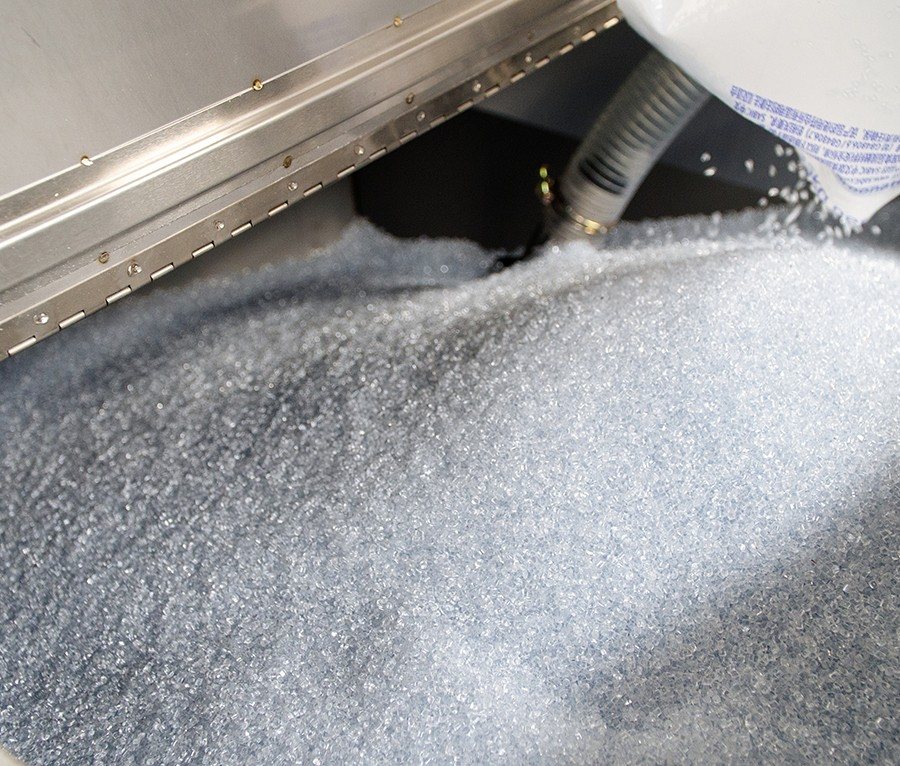
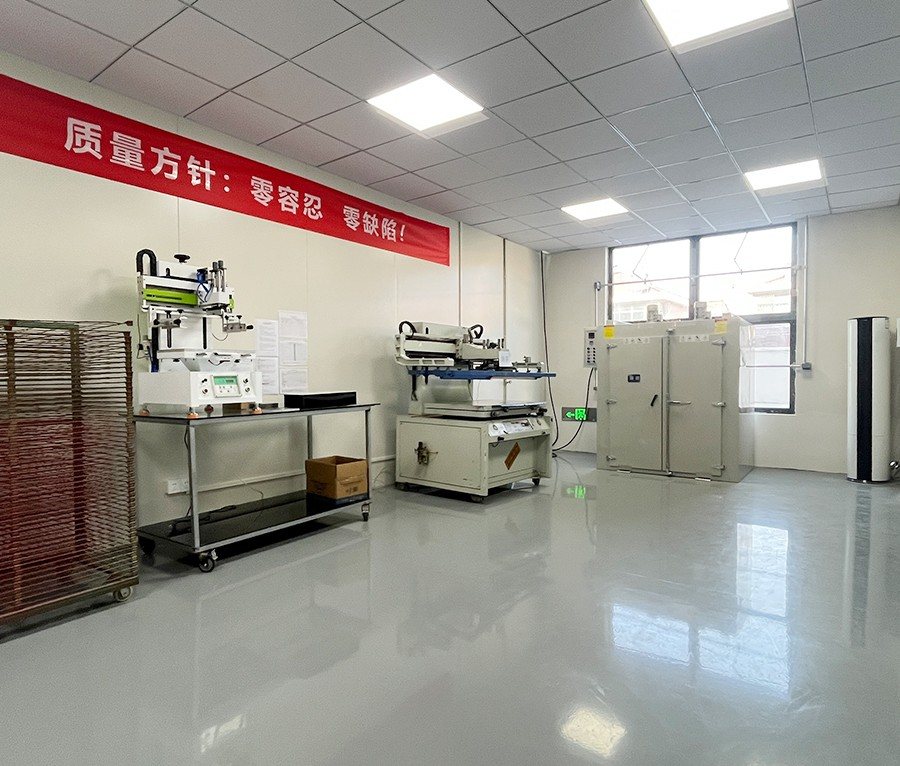
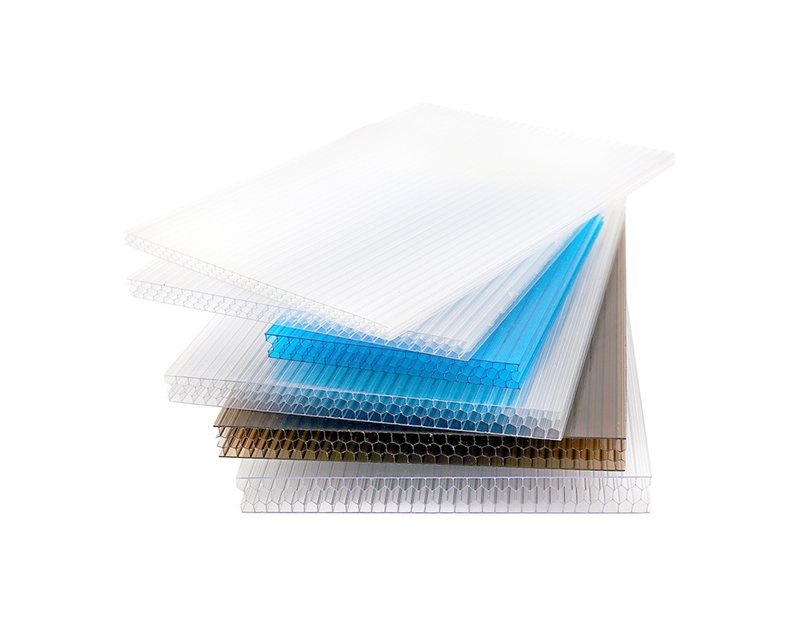
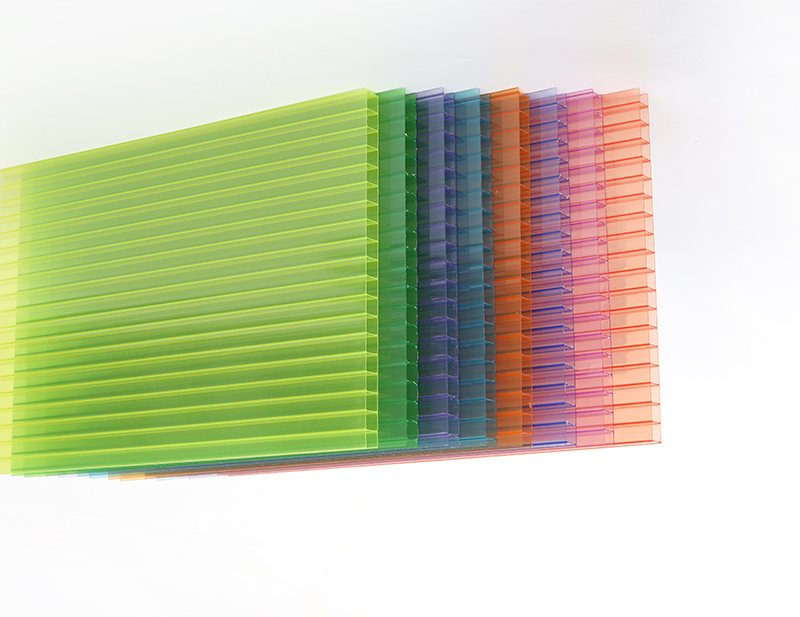
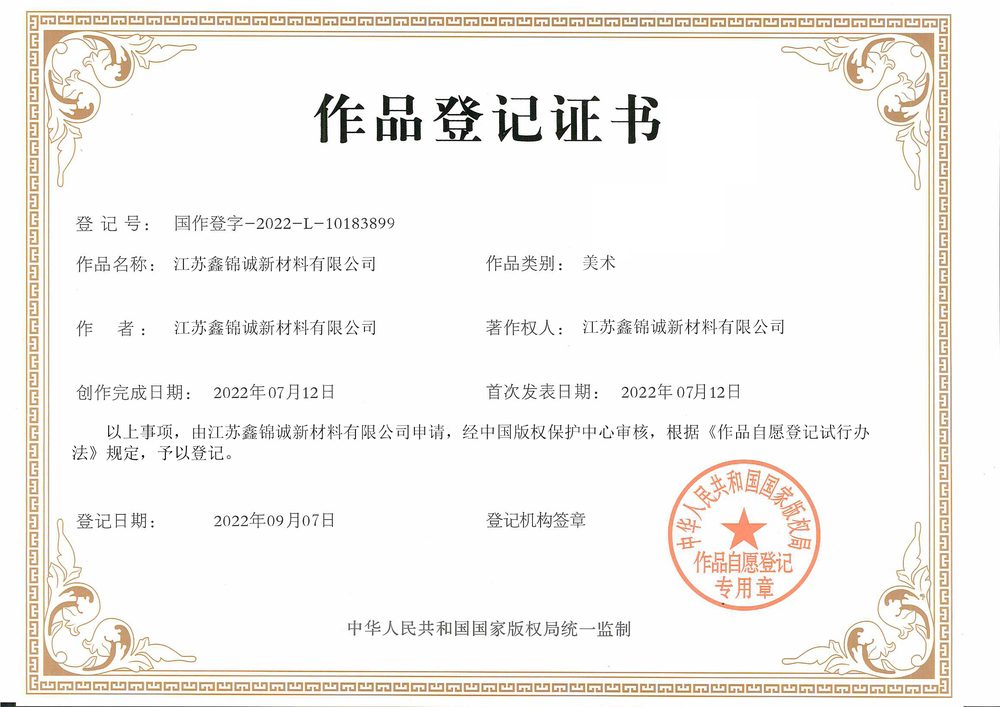
Images show the referenced product, process or application. Ask for a current production sample when colour, finish or fit must be approved.
Where to look next
Plastura identifies Jiangsu Xinjincheng Materials Co., Ltd. as the fact owner for this page; request current entity, equipment and material…
The decisions buyers get wrong most often — material choice, thickness, naming, cleaning and why panels fail.
Solid, multiwall and functional polycarbonate — extruded from virgin resin, 0.1 to 20 mm, up to 2100 mm wide.
Non-standard thickness, width, colour and construction — what we can make, and what we cannot.
Start with a trial order
Thickness, size, colour, quantity — or just upload the drawing. We quote in USD on FOB, CIF or DDP terms, from 100 m² or 1 tonne. No full-container commitment required.