Polycarbonate Sheet
Solid, multiwall and functional polycarbonate — extruded from virgin resin, 0.1 to 20 mm, up to 2100 mm wide.
The decisions buyers get wrong most often — material choice, thickness, naming, cleaning and why panels fail.
Most enquiries we receive contain the same handful of misunderstandings. This page answers them once, in the open, rather than one email at a time.
None of it is proprietary. If it helps you specify correctly — even if you then buy somewhere else — that is a better outcome for us than a returned container.
Ask what happens when someone hits it. If the answer involves injury, liability or an insurance claim, use polycarbonate. If the answer is “we replace the panel”, acrylic is cheaper and looks better.
| Polycarbonate | Acrylic (PMMA) | |
|---|---|---|
| Impact strength | ~200× glass — deforms, recovers | ~10× glass — cracks |
| Light transmission | Up to 90% | Up to 92% |
| Surface hardness | Scratches easily unless hard-coated | Noticeably harder |
| UV stability | Needs a co-extruded UV layer | Inherently stable |
| Cold | Stable to −40 °C | Brittle below 0 °C |
| Heat | To 120 °C | Softens 80–100 °C |
| Fire | B1, self-extinguishing at 580 °C | Burns readily |
| Cost | Higher | Lower |
This causes more confusion in international trade than any other naming issue:
All four describe one material. A specification calling for “perspex” and one calling for “cast PMMA” can be filled from the same pallet. What genuinely differs is cast versus extruded — that distinction is real and matters far more than the name.
Polycarbonate has its own aliases: PC, compact sheet, solid sheet, including solid, compact and multiwall trade names.
Thickness is set by span, load and impact — never by preference or by matching whatever the last supplier sent.
| Application | Typical | What actually decides it |
|---|---|---|
| Display cases, signage | 3–5 mm | Panel size and bonding method |
| Secondary glazing | 3–6 mm | Aperture area |
| Machine guarding | 4–12 mm | Mass and velocity of what could be released |
| Roofing (multiwall) | 6–16 mm | Purlin spacing and snow load |
| Shelving | 8–10 mm | Deflection over time, not breaking strength |
| Splashbacks | 3–6 mm | Run length and fixing method |
Send the span, the load and the fixing arrangement with your enquiry and we will specify it — including when the honest answer is that the material is wrong for the job.
Use: warm water, mild soap, a soft cloth or sponge, rinsed often.
Never use: ammonia-based glass cleaner, methylated spirits, acetone, paper towel, abrasive pads, or a dry cloth on a dusty panel.
Paper towel is the surprise on that list. It is wood fibre, and it abrades plastic far more than people expect. A year of cleaning a clear panel with paper towel and glass cleaner produces exactly the hazy, micro-scratched surface that gets blamed on “cheap plastic”.
1. UV face installed downwards. The protected side is marked on the film. Fitted upside down, outdoor polycarbonate yellows in two to three years instead of lasting fifteen.
2. Multiwall ribs run across the slope. Channels must run down the fall so condensation drains. Across it, water sits in the flutes and algae grows.
3. No allowance for thermal movement. Both materials move about 3 mm per metre over a 50 °C swing. Oversize the fixing holes and do not clamp hard.
4. The wrong sealant. Acetoxy (vinegar-smelling) silicone attacks polycarbonate and causes crazing weeks later. Use neutral-cure.
5. Chemical crazing from coolant or cleaners. Fine cracks that destroy impact strength while the panel still looks intact — the dangerous one, because a machine guard can pass a visual check and fail a real impact.
For polycarbonate sheet buying resources enquiries, Plastura’s Jiangsu team confirms the specification, quantity, fabrication scope, destination, and delivery target before quoting. Standard stock sizes and colours normally run in 7–10 days; non-standard extrusion in 12–18 days; allow another 3–7 days for CNC work. The published starting point is 100 m² or 1 tonne, quoted in USD on FOB, CIF or DDP terms. See MOQ, lead time and shipping for planning details.
They are the same material — perspex is a brand name for acrylic (PMMA). Neither is stronger than the other. If you need genuinely higher impact strength, the answer is polycarbonate.
Acrylic, typically by a meaningful margin at the same thickness. Polycarbonate costs more because it performs where acrylic cannot — impact, cold and fire.
Not the same way. Acrylic is solvent bonded and the joint is effectively the same material. Polycarbonate does not solvent bond well and is normally mechanically fixed or joined with a structural adhesive.
Yes — resin supplier certification and batch traceability. For a specific certified test against a named standard, tell us which one and we will confirm what we can provide before you order. See quality control.
Request a quote MOQ & shipping
Buyer planning module
For: It is for engineers and procurement teams that collect material documentation before approval or shipment.
Key variables: Variables are document type, product and grade, language, revision, evidence status, and public or private.
Limit: No public document library with issue dates is published yet, so ask which documents can be provided for your order.
Next step: List the documents you need in the RFQ, then ask which revisions and which documents can be provided for your order.
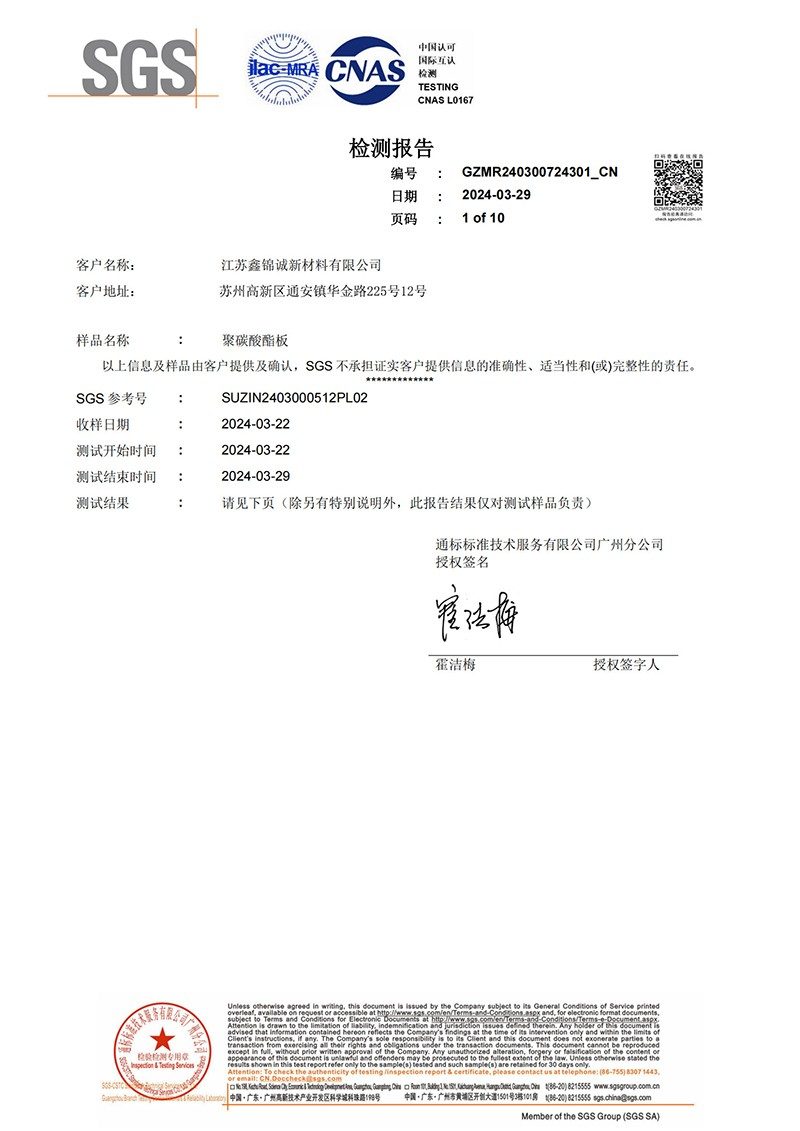
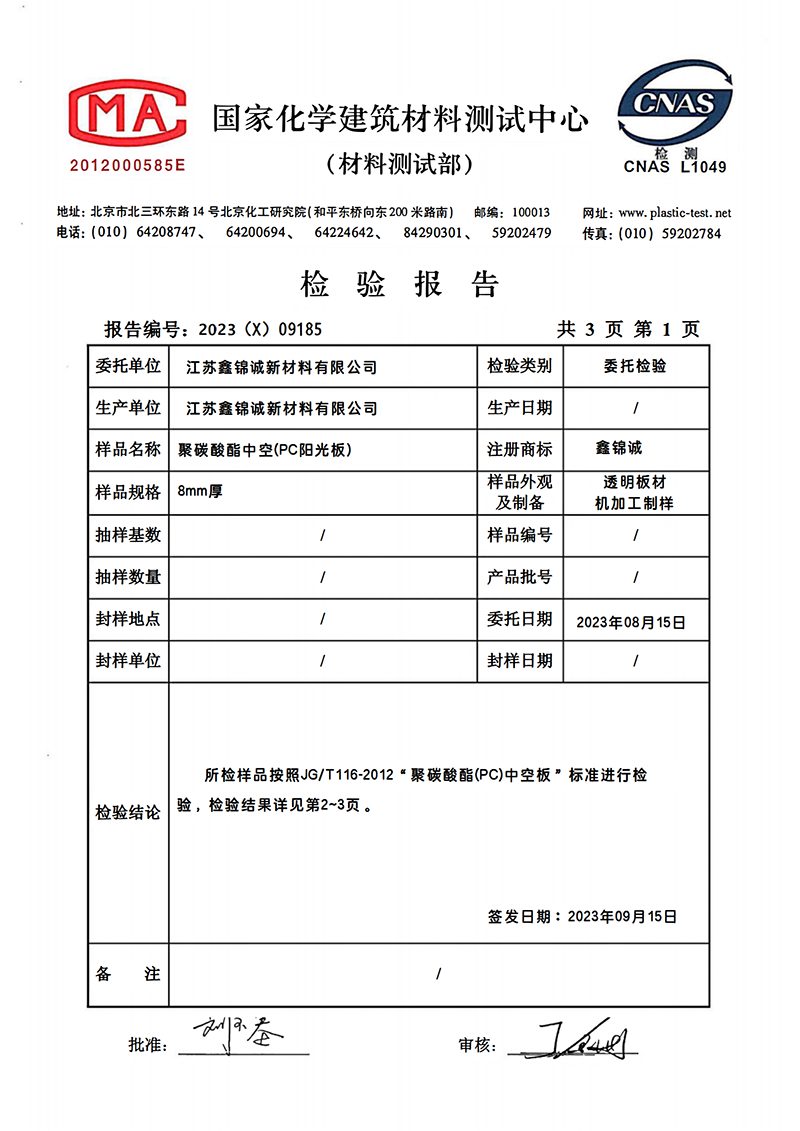
This page is a document-discovery entry point, not a published library. No public TDS, SDS, COA, test, or certification documents are currently registered with issue dates and revisions; ask which documents can be provided for your order.
Categories you may need: material selection guides, product TDS, SDS, COA examples, test and certification summaries, fabrication guides, installation, cleaning and storage guides, and trade or RFQ guides.
For each document you need, confirm title, type, product and grade, language, and whether a revision or translation is required.
Ask in the RFQ which documents can be provided with the shipment, which are available on request, and which remain private.
| Choose this when | Do not choose this when |
|---|---|
| your buyer or compliance team requires material documentation before approval or shipment | you need a certified report for a specific standard; ask which reports can be provided |
| Property | Value | Unit | Product Grade | Thickness Specimen | Test Method Standard | Evidence Status | Qualification |
|---|---|---|---|---|---|---|---|
| Material selection guides | Confirm against required standard and order grade | n/a | order-specific | n/a | n/a | not registered yet — ask in the RFQ which selection guides can be shared | no public guide is currently registered |
| Product TDS | Confirm against required standard and order grade | n/a | order-specific grade | n/a | n/a | no public TDS on file — request one for your grade | no public TDS is currently registered |
| SDS | Confirm against required standard and order grade | n/a | order-specific grade | n/a | n/a | ask which SDS matches your product and destination | no public SDS is currently registered |
| COA examples | Confirm against required standard and order grade | n/a | order-specific grade | n/a | n/a | no public COA example on file — request one with the RFQ | no public COA example is currently registered |
| Test and certification summaries | Confirm against required standard and order grade | n/a | order-specific grade | n/a | n/a | not registered yet — ask which test or certification summaries can be shared | no public test or certification summary is currently registered |
| Fabrication guides | Confirm against required standard and order grade | n/a | order-specific | n/a | n/a | no public fabrication guide on file — request one when you plan CNC parts | no public fabrication guide is currently registered |
| Installation, cleaning, and storage guides | Confirm against required standard and order grade | n/a | order-specific | n/a | n/a | ask which installation or care guide applies to your order | no public installation or storage guide is currently registered |
| Trade and RFQ guides | Confirm against required standard and order grade | n/a | order-specific | n/a | n/a | no public trade guide on file — request one when you prepare an order | no public trade guide is currently registered |
Review date: 2026-08-26. Fact owner: Unassigned — owner approval required. Applicable grade: order-specific grades.
The date on this page is the local draft evidence-gate review date, not a company fact-verification or department approval date. Ask in the RFQ which TDS, SDS, COA, test, or certification documents can be provided.
Ask in the RFQ whether a COA example or certificate copy can be provided for the document category you need.
Related buyer paths
From the factory

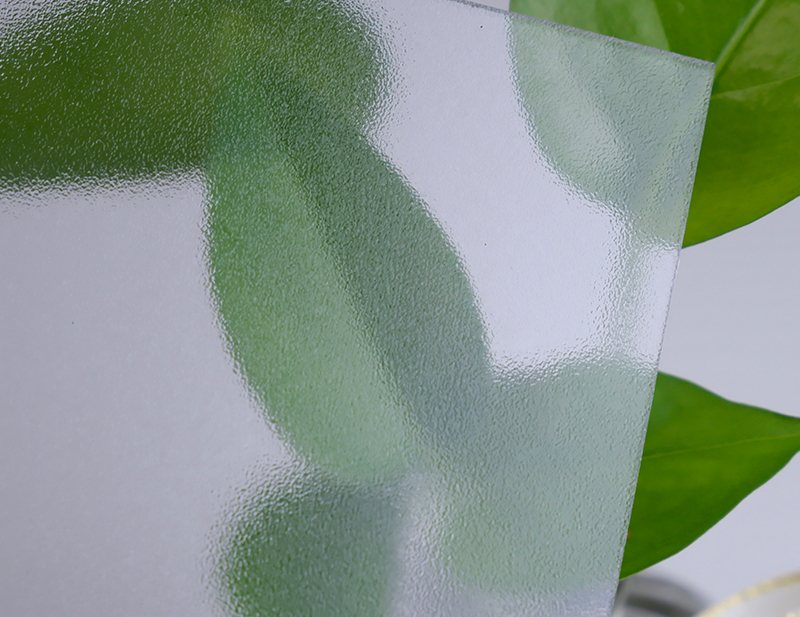
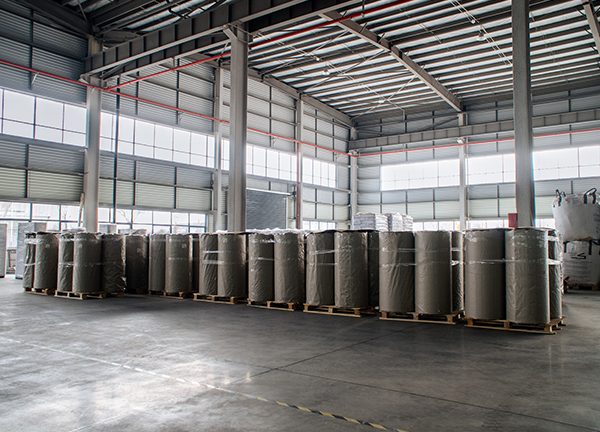
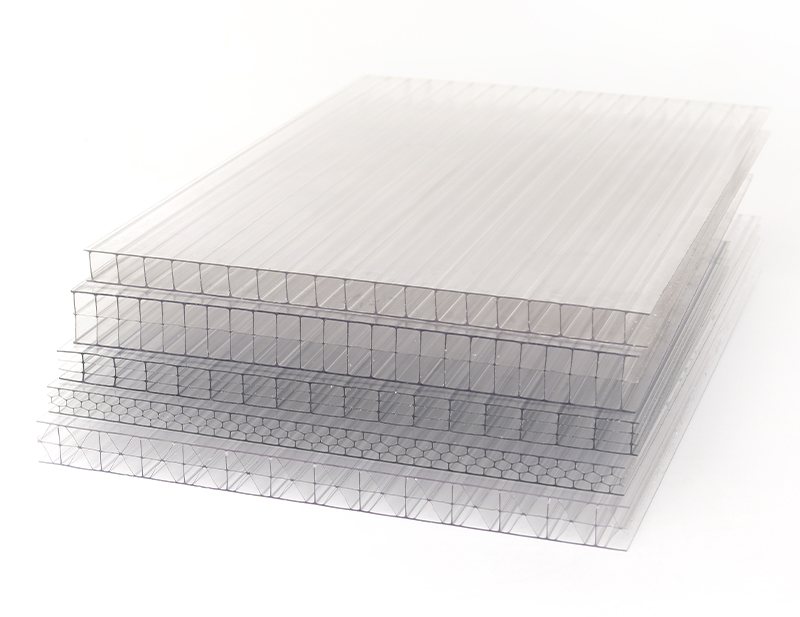
Images show the referenced product, process or application. Ask for a current production sample when colour, finish or fit must be approved.
Where to look next
Solid, multiwall and functional polycarbonate — extruded from virgin resin, 0.1 to 20 mm, up to 2100 mm wide.
Cast and extruded acrylic — also sold as perspex or plexiglass — in clear, opal, frosted, coloured and mirror.
Named resin suppliers, testing against EN and ASTM methods, and what we will tell you when something goes wrong.
Our minimum is 100 m² or 1 tonne — roughly 350 kg of 3 mm acrylic. Here is what that…
Start with a trial order
Thickness, size, colour, quantity — or just upload the drawing. We quote in USD on FOB, CIF or DDP terms, from 100 m² or 1 tonne. No full-container commitment required.