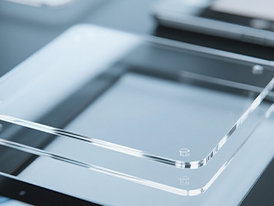
Acrylic Sheet (PMMA)
Cast and extruded acrylic — also sold as perspex or plexiglass — in clear, opal, frosted, coloured and mirror.
Industry Applications
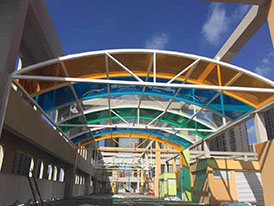
Used for interior decoration, acoustic doors and windows, signs, light boxes, handrails, instrument panels and protective covers.
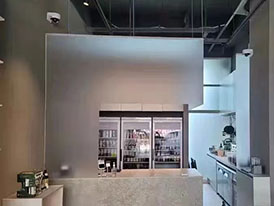
Acrylic Partitions
Instruments and Control Panels
Acrylic, PMMA, perspex and plexiglass are the same material under different names — the last two are brand names that became generic in the UK and North America. We manufacture it in both cast and extruded form, in clear, opal, frosted, coloured and mirror finishes.
Acrylic transmits more light than glass — up to 92% — and holds its clarity outdoors for decades without yellowing. It is also harder at the surface than polycarbonate, so it stays looking good under regular cleaning. Its weakness is impact: it cracks rather than bends.
Cast or extruded?
The two are made by completely different processes and behave differently in the workshop. This is the choice that matters most, and it is worth getting right before you order:
| Cast acrylic | Extruded acrylic | |
|---|---|---|
| Thickness tolerance | Looser (±10%) | Tighter (±5%) |
| Machining | Excellent — clean edges, polishes well | Fair — softens and gums at speed |
| Laser cutting | Frosted edge | Clear polished edge |
| Thermoforming | Wider forming window | Narrower, but easier at low temperature |
| Chemical resistance | Better | Lower |
| Cost | Higher | Lower |
Rule of thumb: if it will be CNC machined, engraved or flame-polished, order cast. If it will be laser cut, thermoformed or simply glazed in, extruded is cheaper and more consistent.
Grades we produce
- Clear acrylic — up to 92% light transmission, the standard for display and glazing.
- Cast acrylic — for machining, engraving and fabrication work.
- White opal acrylic — even glow-through for lightboxes and signage faces.
- Frosted acrylic — matte privacy and diffusion, one or both faces.
- Coloured acrylic — transparent, translucent and opaque, matched to reference.
- Mirror acrylic — shatter-resistant mirror at a fraction of the weight of glass.
Acrylic against polycarbonate
We make both, so we have no reason to push you toward either. The honest split:
Acrylic wins on clarity, surface hardness, outdoor colour stability and price. Specify it for display, signage, lightboxes, splashbacks and furniture.
Polycarbonate wins on impact resistance, cold performance and fire rating. Specify it for roofing, guarding, security glazing and anywhere a break is a safety issue. See polycarbonate grades.
Questions buyers ask
Is perspex the same as acrylic?
Yes. Perspex is a UK brand name for PMMA, and plexiglass is the equivalent in North America and Germany. All three describe the same polymer. We supply it under the generic name, to the same specifications.
What thicknesses do you produce?
Typically 1–30 mm. Thin sheet below 2 mm is usually extruded; thick sheet above 20 mm is normally cast. Tell us the application and we will confirm which process suits.
Does acrylic yellow outdoors?
No. PMMA is inherently UV stable and holds its clarity for decades outdoors without a protective co-extrusion. This is one area where it clearly beats polycarbonate.
Request a quote MOQ & shipping
Further reading
- Plexiglass, perspex and acrylic: the same polymer under different names:
PMMA manufacturing route
Acrylic sheet manufacturer in China: choose the process before the finish
This page owns the acrylic/PMMA manufacturer topic. First decide whether the job needs cast acrylic for machining and polished edges or extruded acrylic for a repeatable sheet-conversion route. Then specify clear, opal, frosted, coloured or mirror appearance; a finish name alone is not a production specification.
Information needed for an acrylic supply review
- Cast or extruded process, with the reason if one is mandatory.
- Thickness, sheet size, colour or optical reference and acceptable variation.
- Cutting, drilling, engraving, bending or edge-finish requirements, with a drawing where applicable.
- Quantity, packing method, destination and any inspection documents required with the shipment.
Compare the cast acrylic route with the listed acrylic grades before moving to the supplier process. Plastura’s company and equipment statements remain manufacturer-declared; place the applicable evidence request in the RFQ.
Where to look next
Related pages
Clear Acrylic Sheet
Up to 92% light transmission — clearer than glass, half the weight, and it does not yellow.
Cast Acrylic Sheet
The fabricator’s grade — machines cleanly, engraves sharply, flame-polishes to an optical edge.
Polycarbonate Sheet
Solid, multiwall and functional polycarbonate — extruded from virgin resin, 0.1 to 20 mm, up to 2100 mm wide.
Technical Resources
The decisions buyers get wrong most often — material choice, thickness, naming, cleaning and why panels fail.