Clear Acrylic Sheet
Up to 92% light transmission — clearer than glass, half the weight, and it does not yellow.
The fabricator’s grade — machines cleanly, engraves sharply, flame-polishes to an optical edge.
Cast acrylic is polymerised between glass plates rather than pushed through a die. The resulting higher molecular weight is what fabricators are actually buying: it machines without gumming, engraves with sharp edges, and flame-polishes to genuine optical clarity.
If your workshop cuts, routes, drills or polishes acrylic, this is the grade to specify. Extruded sheet in the same operations softens, welds behind the cutter and leaves a hazy edge.
| Property | Specification |
|---|---|
| Process | Cell cast between glass |
| Thickness | 2 mm – 30 mm |
| Thickness tolerance | Approx. ±10% (inherent to casting) |
| Widths | 1220 mm and 1830 mm standard; other widths to order |
| Machining | Excellent — clean chip, no gumming |
| Flame polishing | Yes — produces an optically clear edge |
| Laser cutting | Yes — leaves a characteristic frosted edge |
| Chemical resistance | Better than extruded |
| Colours | Clear, opal, frosted, full colour range |
| Cast acrylic | Extruded acrylic | |
|---|---|---|
| Thickness tolerance | Looser (±10%) | Tighter (±5%) |
| Machining | Excellent — clean edges, polishes well | Fair — softens and gums at speed |
| Laser cutting | Frosted edge | Clear polished edge |
| Thermoforming | Wider forming window | Narrower, but easier at low temperature |
| Chemical resistance | Better | Lower |
| Cost | Higher | Lower |
The tolerance line surprises buyers: cast sheet is less dimensionally consistent than extruded, because casting cannot control thickness as tightly as a die. If your process depends on exact thickness — slot fitting, precise glazing pockets — extruded is the better choice despite being harder to machine.
Extruded acrylic has a lower molecular weight and softens at lower temperature, so it gums behind the cutter. Cast acrylic is the correct material for machining work.
Yes, and it cuts cleanly, but the edge comes out frosted rather than polished. For a clear laser-cut edge, extruded acrylic is the better choice.
Around ±10% is normal for cast sheet worldwide — it is a property of the process, not a quality defect. If you need tighter, order extruded or ask us to machine to thickness.
Request a quote MOQ & shipping
Fabrication-grade supply check
Choose cast acrylic when the job depends on machining, engraving, edge finishing or a fabrication behaviour that must be approved before volume production. “Cast” identifies the process, but it does not fix colour, thickness tolerance, flatness, optical appearance or the result after machining.
Compare the broader acrylic manufacturing route, then include the drawing and sample requirement in the RFQ. The quotation should identify the offered process and the evidence supplied with that order.
From the factory
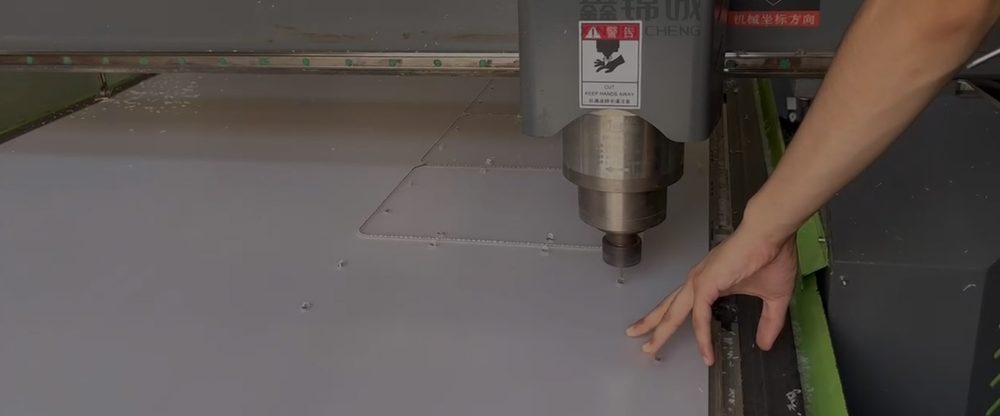
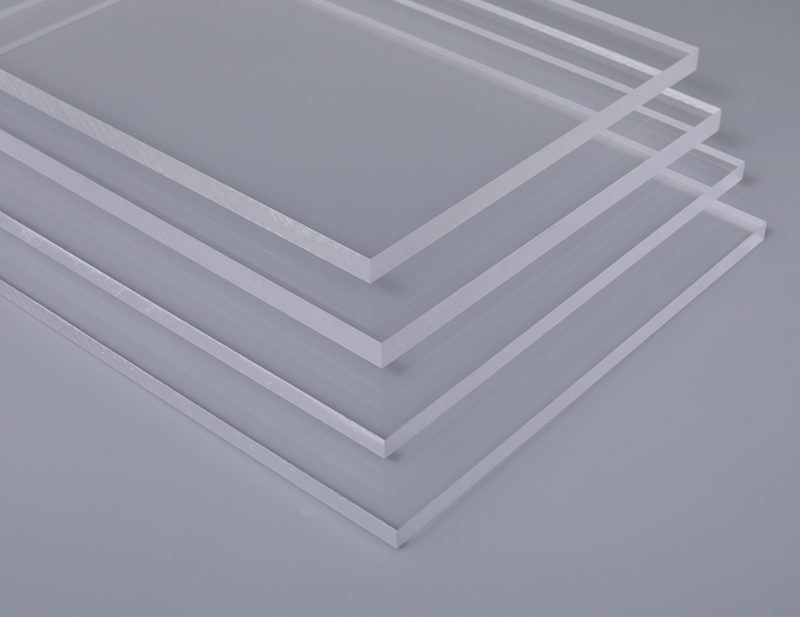
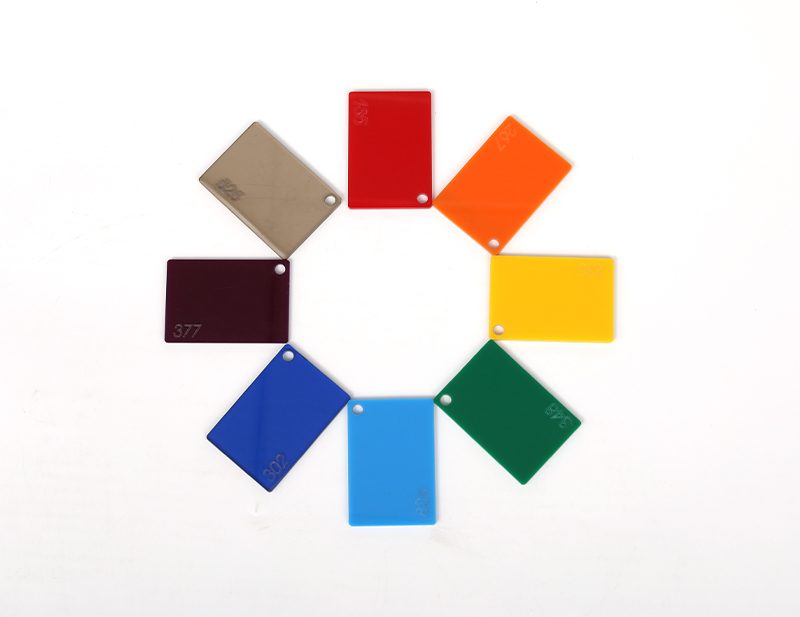
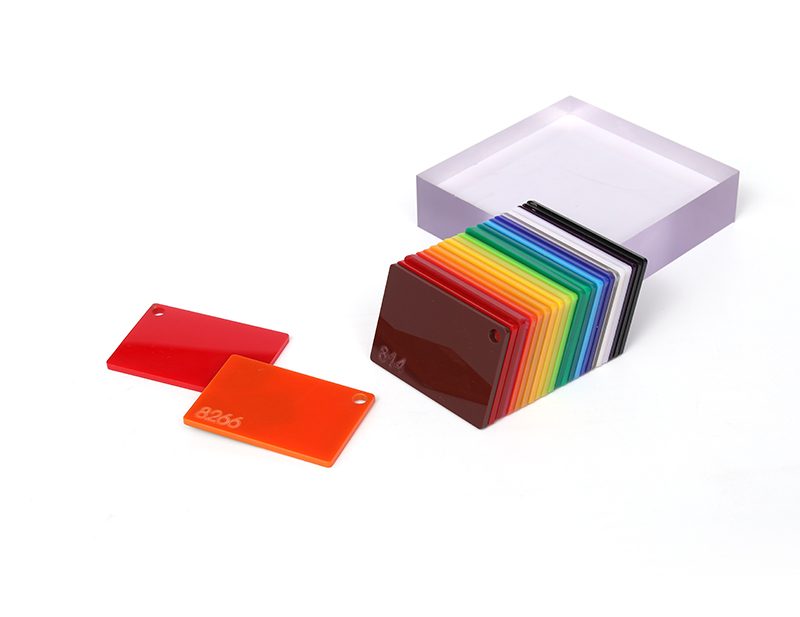

Images show the referenced product, process or application. Ask for a current production sample when colour, finish or fit must be approved.
Where to look next
Up to 92% light transmission — clearer than glass, half the weight, and it does not yellow.
Profiles, cut-outs, holes and engraving from your DXF, DWG or STEP files — 22 machines.
Sheet for the fabricators who build display cases, stands, shelving and shop fittings — cast for machining, extruded for laser…
Line bending, drape forming and 3D contour work — curves that would need tooling in other materials.
Start with a trial order
Thickness, size, colour, quantity — or just upload the drawing. We quote in USD on FOB, CIF or DDP terms, from 100 m² or 1 tonne. No full-container commitment required.