Clear Acrylic Sheet
Up to 92% light transmission — clearer than glass, half the weight, and it does not yellow.
Panels for secondary glazing, safety glazing and replacement windows — light, unbreakable, and cut to your survey sizes.
Plastic glazing is specified for three reasons: it does not shatter, it weighs about half what glass does, and it can be cut on site. Which of the two materials you choose depends on whether the panel is more likely to be hit or scratched.
We supply glazing installers, window fabricators and distributors — cut to your survey schedule rather than as stock sheet you break down again.
| Application | Specify | Reason |
|---|---|---|
| Secondary glazing, internal | Clear acrylic | Best clarity, harder surface, lower cost; no impact risk indoors |
| Safety and anti-vandal glazing | Clear polycarbonate | Will not shatter; roughly 200× the impact strength of glass |
| School, sports hall, custodial | Polycarbonate | Impact and deliberate damage are expected, not exceptional |
| Listed and heritage buildings | Acrylic | Optical quality closest to old glass; slim frames possible |
| Roof glazing and rooflights | Multiwall polycarbonate | Insulation and span — see roofing |
| Machine and equipment windows | Polycarbonate | See machine guarding |
Secondary glazing is the highest-volume use of clear acrylic in the glazing trade, and it is almost always the right material: the panel sits inside, out of the weather, and nothing is going to hit it. Typical specification is 3–4 mm clear acrylic in a magnetic or hinged frame.
Two practical points worth building into your quotes:
Allow for movement. Acrylic expands roughly 3–4 mm per metre across a normal temperature range. A panel cut hard against the frame will bow in summer. Leave a clearance gap; do not cut to exact aperture.
Get the survey right first. Old window apertures are rarely square. Panels cut to a nominal rectangle need trimming on site, which defeats the purpose of factory cutting. Send actual surveyed dimensions and we cut to them.
| Panel size | Acrylic | Polycarbonate |
|---|---|---|
| Up to 0.5 m² | 3 mm | 2–3 mm |
| 0.5–1.5 m² | 4–5 mm | 3–4 mm |
| 1.5–3 m² | 6–8 mm | 4–6 mm |
| Above 3 m² | 8–10 mm | 6–10 mm |
Glaze into a gasket or a dry-glazed bead wherever possible. If a sealant is unavoidable, use a neutral-cure silicone — acetoxy (vinegar-smelling) silicones attack polycarbonate and cause crazing that appears weeks later, long after the installer has left.
For polycarbonate glazing sheet projects, Plastura checks safety glazing selection before confirming the material. Send the span or finished dimensions, exposure and load conditions, preferred appearance, fabrication needs, and quantity. Standard stock sizes and colours normally run in 7–10 days; non-standard extrusion in 12–18 days; allow another 3–7 days for CNC work. The published starting point is 100 m² or 1 tonne, quoted in USD on FOB, CIF or DDP terms. See MOQ, lead time and shipping for planning details.
Acrylic in nearly every case. It is clearer, harder-wearing and cheaper, and an internal secondary panel faces no impact risk. Choose polycarbonate only where deliberate damage or ball impact is realistic.
Acrylic is noticeably harder than uncoated polycarbonate and stands up to normal cleaning. For polycarbonate in a cleaned position, specify the hard-coated grade. Never use ammonia-based glass cleaner on either.
Yes — that is the point of ordering from us rather than buying stock sheet. Send the schedule as a spreadsheet or DXF and we cut at the order-specific CNC tolerance confirmed after material, thickness, part geometry and drawing review, with a clearance allowance if you specify one.
Yes — the benefit comes mainly from the trapped air gap between the existing window and the new panel, so the frame detail and seal matter as much as the panel material.
Request a quote MOQ & shipping
“Safety glazing” can describe accidental human impact, machine fragments, vandalism, a protective screen or secondary glazing. These are different load cases. Provide the opening size, support on each edge, likely impact source, indoor or outdoor exposure and any standard or test method named by the project.
| Input | Why it matters |
|---|---|
| Impact object, mass and velocity | Separates general guarding from a defined impact requirement |
| Frame and supported opening | The sheet and support system act together |
| Coolants, cleaners and outdoor exposure | Identifies chemical, UV and surface-protection needs |
| Required report or standard | Determines whether available evidence applies to the ordered grade and thickness |
Do not infer a security, ballistic or code rating from the material name alone. Ask for evidence tied to the relevant grade, thickness, specimen and test scope. Holes, cut-outs, countersinks and edge distances must be reviewed from the finished drawing because fabrication can change local stress around the fixing.
For machine-specific guarding, continue to machine guarding polycarbonate. For drawing review, use the safety-glazing RFQ route.
From the factory
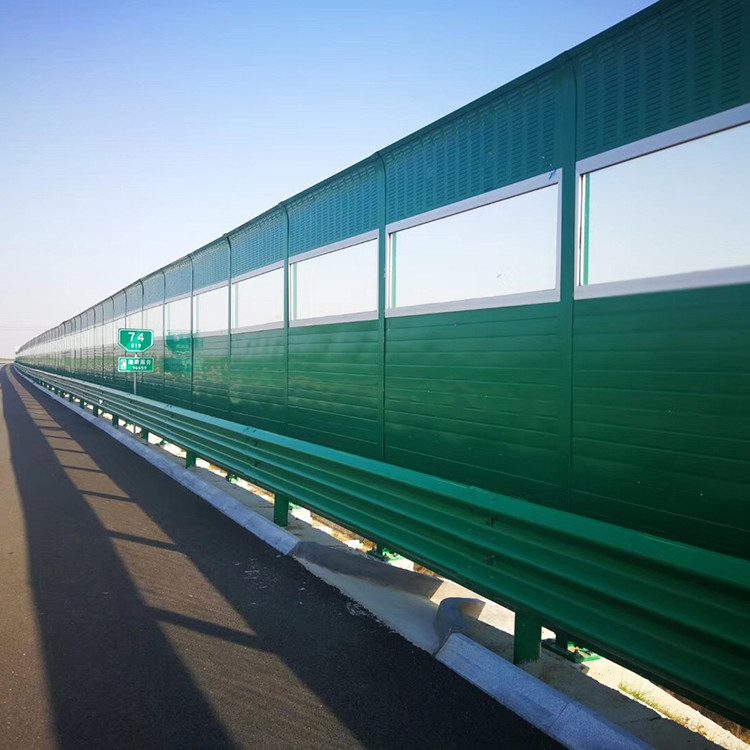
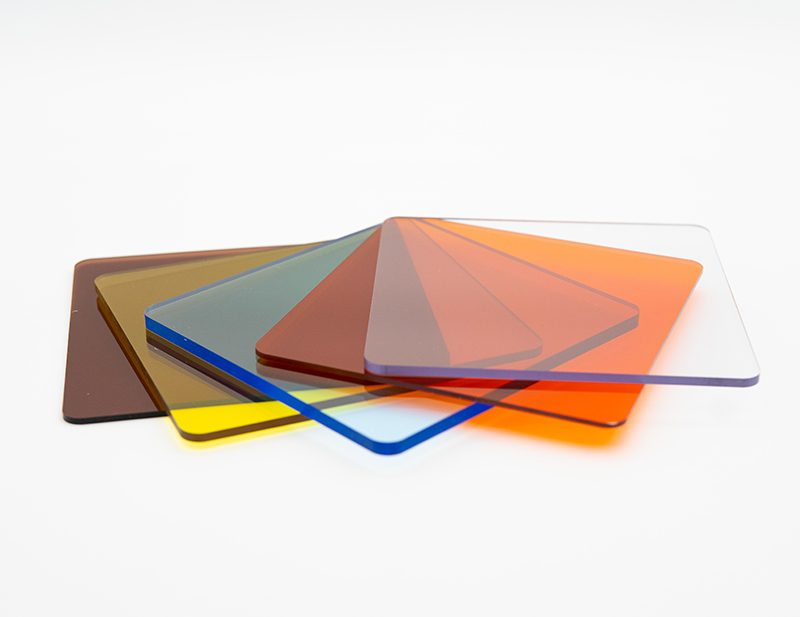
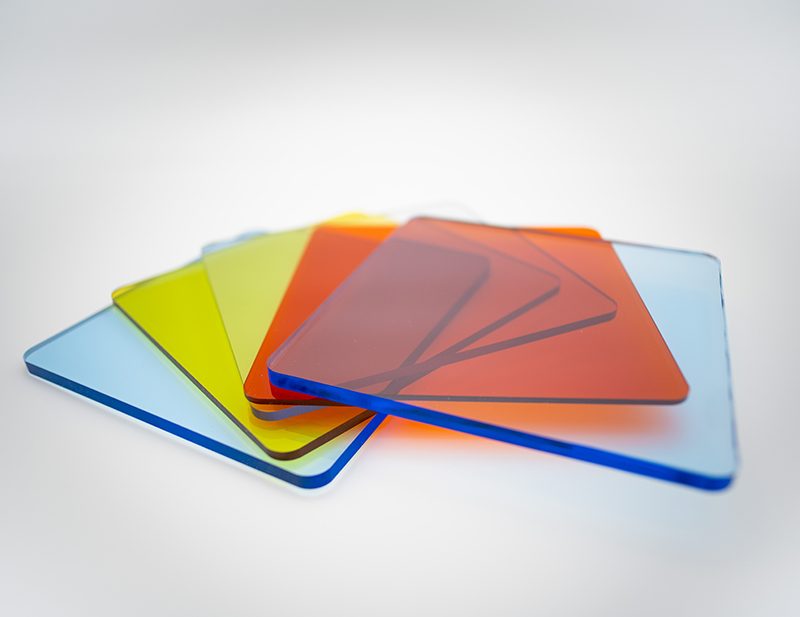
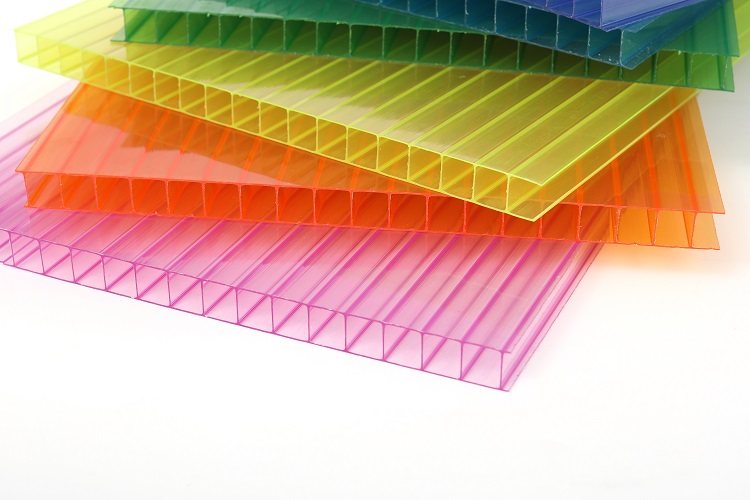
Images show the referenced product, process or application. Ask for a current production sample when colour, finish or fit must be approved.
Where to look next
Up to 92% light transmission — clearer than glass, half the weight, and it does not yellow.
Maximum optical clarity with full impact strength — up to 90% light transmission at 3 mm.
Panels at your finished dimensions, cut at the factory — no local sawing, no offcut waste, no freight on scrap.
Abrasion-resistant surface for panels that get cleaned, touched and handled every day.
Start with a trial order
Thickness, size, colour, quantity — or just upload the drawing. We quote in USD on FOB, CIF or DDP terms, from 100 m² or 1 tonne. No full-container commitment required.