Solid Polycarbonate Sheet
The general-purpose grade — around 200× the impact strength of glass, and it will not shatter.
Guards and viewing windows that stop a thrown tool — impact rated, fire rated, optionally anti-static.
Machine guarding is a safety function, not a cosmetic one. The panel has to contain a tool, workpiece or fragment released at speed, and keep containing it after years of coolant, swarf and cleaning.
Polycarbonate is the standard because it deforms and absorbs energy rather than fracturing. Acrylic in the same position shatters and becomes a second hazard.
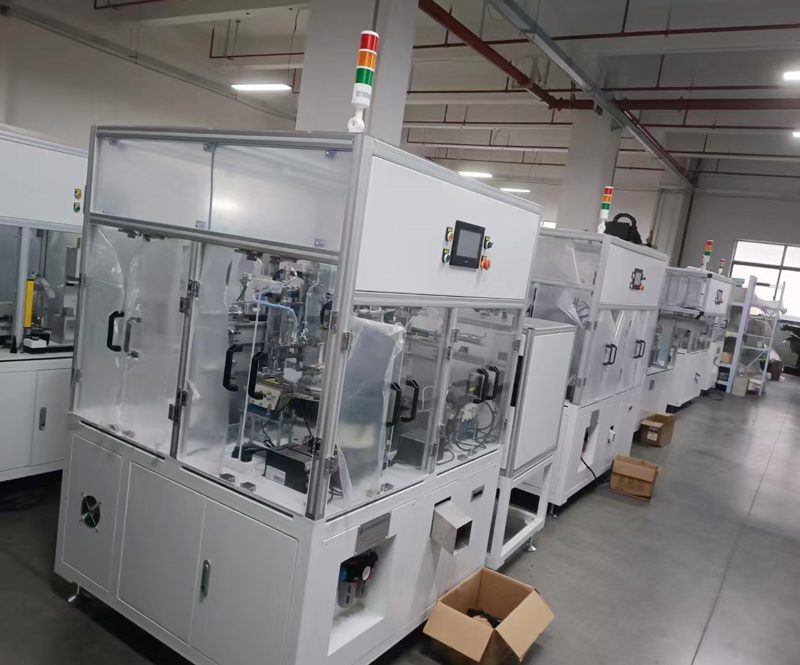
Thickness by energy, not by eye. Light assembly guards run 4–6 mm; machining centres and lathes typically need 8–12 mm. If your machine has a guarding standard, send it and we will specify to it.
Coolant compatibility. Some cutting fluids and cleaning solvents attack polycarbonate and cause crazing — fine cracks that destroy impact performance while the panel still looks intact. Tell us the fluid and we will confirm.
Replace on a schedule. Guards degrade with UV, chemical exposure and repeated impact. Most machinery standards expect periodic replacement; a guard that looks fine can have lost most of its energy absorption.
Where fire is a factor, specify flame-retardant sheet. For electronics assembly, specify ESD sheet so the guard does not become a static hazard.
Most enquiries arrive naming a thickness rather than a duty, and 3 mm is the one asked for most often. It is worth being direct about where the line sits, because the difference is not gradual — it is the difference between a panel that contains something and a panel that only separates people from it.
| Thickness | What it is suited to | What it should not be relied on for |
|---|---|---|
| 3 mm | Splash, chip and dust shields where nothing is released at speed; viewing windows carried by a supporting frame; retrofit into an existing 3 mm glazing rebate | Containment. If the panel’s job is to stop a tool or fragment, 3 mm is below where we would specify |
| 4 mm | The thinnest we would specify where containment is the function — light assembly, small panels, well supported on all edges | Large unsupported spans; anything with a cutting tool behind it |
| 6 mm | The common light-assembly guard. The extra stiffness lets a panel span further between fixings without flexing at the holes | Metal cutting, lathes and machining centres |
| 8–12 mm | Machining centres, lathes, press and stamping shields — anywhere a fragment can be released with real energy | — |
Why 3 mm gets asked for. Usually one of three reasons: a budget set against sheet price, a replacement for 3 mm acrylic or glass already in the frame, or a panel that is genuinely a window rather than a guard. The first is worth revisiting — the second and third are legitimate, and 3 mm polycarbonate is a real improvement on 3 mm acrylic in both, because it deforms instead of shattering into a second hazard.
Thickness alone does not make a guard. Span, frame stiffness, edge support and how the panel is fixed matter as much as the sheet. A 6 mm panel bolted through undersized holes in a flexible frame can perform worse than a 4 mm panel properly captured on all four edges. Send the panel size, the unsupported span and the frame detail with the thickness you have in mind, and we will say whether they agree with each other.
Clear grades for guarding are covered on solid polycarbonate sheet and clear polycarbonate sheet.
For polycarbonate machine guard sheet projects, Plastura checks machine safety guarding before confirming the material. Send the span or finished dimensions, exposure and load conditions, preferred appearance, fabrication needs, and quantity. Standard stock sizes and colours normally run in 7–10 days; non-standard extrusion in 12–18 days; allow another 3–7 days for CNC work. The published starting point is 100 m² or 1 tonne, quoted in USD on FOB, CIF or DDP terms. See MOQ, lead time and shipping for planning details.
It depends on the mass and velocity of what could be released. Light assembly work is usually 4–6 mm; metal cutting typically 8–12 mm. Send the machine type and any applicable standard and we will specify rather than guess.
It depends on whether the panel has to contain anything. For a splash, chip or dust shield, or a viewing window held in a supporting frame, 3 mm is a reasonable specification and is a clear improvement on 3 mm acrylic, which shatters. Where the panel is expected to stop a released tool or fragment, 3 mm is below where we would specify — light assembly containment starts around 4–6 mm and metal cutting at 8–12 mm. Tell us what is behind the panel and we will say which applies.
Chemical crazing, almost always from coolant or an aggressive cleaner. The panel looks hazy but the real problem is that its impact resistance has collapsed. It should be replaced, not polished.
Yes — 22 CNC centres at the order-specific CNC tolerance confirmed after material, thickness, part geometry and drawing review. Send DXF, DWG or STEP and we ship finished panels ready to fit.
Request a quote MOQ & shipping
From the factory
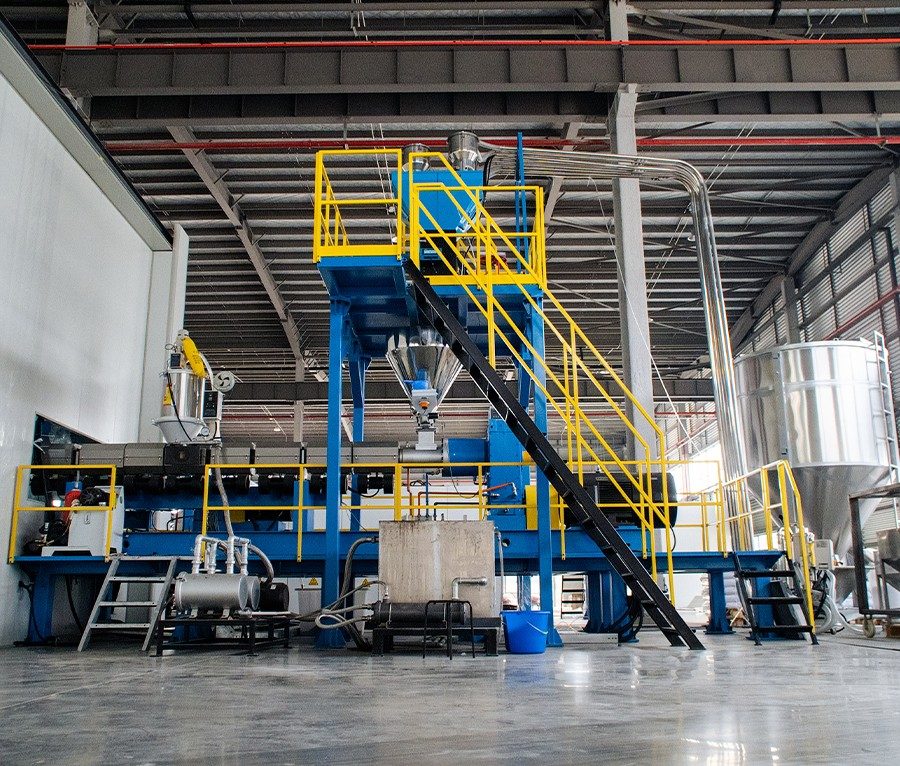
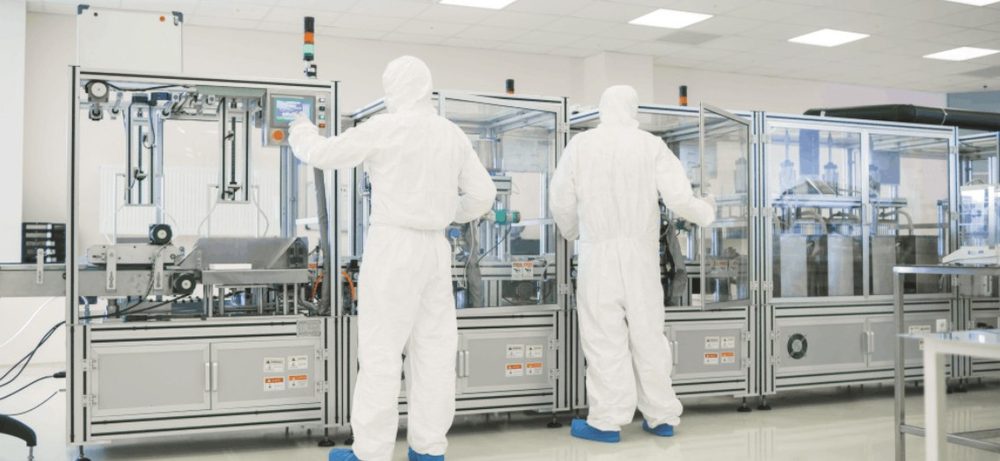
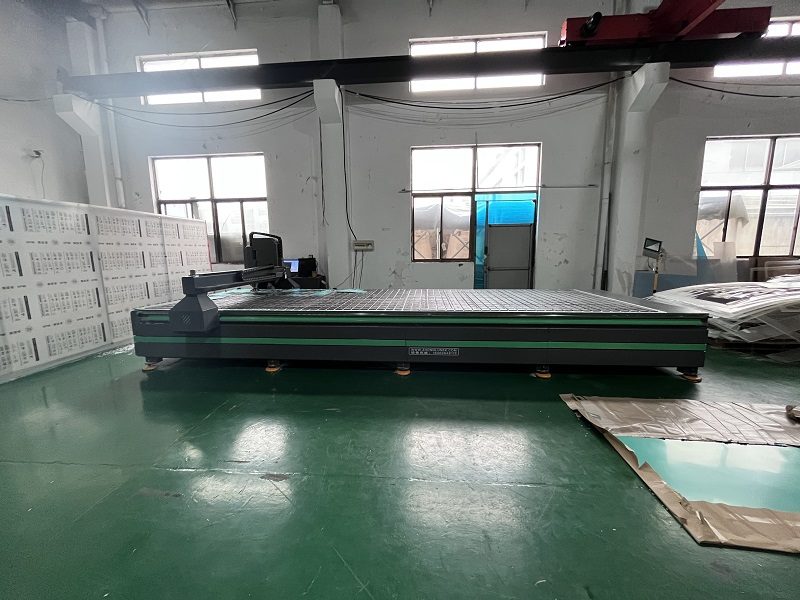

Images show the referenced product, process or application. Ask for a current production sample when colour, finish or fit must be approved.
Where to look next
The general-purpose grade — around 200× the impact strength of glass, and it will not shatter.
B1 rated, ignition point 580 °C, self-extinguishing, no toxic smoke — for rail, public interiors and guarding.
Surface resistivity made to your specification — for electronics assembly, cleanrooms and equipment windows.
Profiles, cut-outs, holes and engraving from your DXF, DWG or STEP files — 22 machines.
Start with a trial order
Thickness, size, colour, quantity — or just upload the drawing. We quote in USD on FOB, CIF or DDP terms, from 100 m² or 1 tonne. No full-container commitment required.