Clear Polycarbonate Sheet
Maximum optical clarity with full impact strength — up to 90% light transmission at 3 mm.
Abrasion-resistant surface for panels that get cleaned, touched and handled every day.
The one genuine weakness of polycarbonate is surface hardness. Bare PC marks under a gritty cloth, and after a year of daily cleaning a clear panel looks hazy. Hard coating fixes it: a cured surface layer that resists abrasion and most cleaning chemicals while the sheet underneath keeps its full impact strength.
This has to be specified up front. A coating cannot be applied to sheet you already own, and it is the single most common regret we hear from buyers who ordered plain sheet for a high-traffic application.
| Property | Specification |
|---|---|
| Coating | Abrasion-resistant hard coat, one or both faces |
| Impact strength | Unchanged — full polycarbonate performance retained |
| Chemical resistance | Improved against common cleaning agents |
| Thickness | 1 mm – 12 mm |
| Widths | 1220 / 1560 / 1820 / 2100 mm (other widths made to order) |
| Combinable with | UV protection, anti-fog, tinted and frosted finishes |
Uncoated polycarbonate is tough but soft-surfaced: it scratches under cleaning, handling and airborne grit. A hard coat is an abrasion-resistant surface layer that keeps the panel clear where standard sheet would haze over. It does not change the impact strength — the polycarbonate underneath is unchanged — it protects the appearance and the light transmission over the panel’s life.
| Situation | Specify |
|---|---|
| Panel cleaned or wiped daily (guards, screens, displays) | Hard coat on the exposed face |
| Both faces handled or cleaned (partitions, machine windows) | Hard coat both faces |
| Outdoor and cleaned (signage, canopies, glazing) | Hard coat plus UV co-extrusion |
| Occasional handling, appearance not critical | Standard polycarbonate — the coat is not worth the cost |
The hard coat also improves resistance to common cleaning agents, which is why it is specified where a panel meets solvents or frequent disinfection. It can be combined with UV protection, anti-fog and tinting on the same sheet — state the faces and the finishes together so they are built in one pass, not retro-fitted. Where scratch resistance matters more than impact, compare with acrylic (PMMA), which is harder-surfaced but brittle.
Enough that routine cleaning stops leaving visible swirl marks, which is the practical test that matters. It does not reach the surface hardness of glass, and no coated plastic does.
Yes, and it is common — the exposed face is coated and the interior face left plain. Specify which face when you order, because the sheet is not symmetrical afterwards.
No measurable loss on clear grades. It is applied thin enough that light transmission is effectively unchanged.
Request a quote MOQ & shipping
A statement such as “scratch resistant” is incomplete without the test method, specimen preparation, coating face and acceptance criterion. When comparing samples, request the same test basis and confirm whether the report covers the grade and thickness being quoted.
| Item to confirm | Procurement question |
|---|---|
| Test method | Which abrasion or coating test was used, and what result is reported? |
| Coated surface | Is one face or both faces coated, and how is the protected face identified? |
| Chemical contact | Which cleaner, coolant or sanitizer will touch the panel? |
| Fabrication | Will the part be cut, drilled, printed, bent or formed after coating? |
| Evidence scope | Does the document identify supplier, grade, thickness and specimen? |
Send the finished drawing and identify visible zones, critical edges, holes and any area that must remain optically clear. A coated sample can be reviewed with the intended cleaner and handling method before production. Coating improves surface durability but does not remove the need for compatible cleaning and correct installation.
Submit the application, test requirement and drawing through the hard-coated sheet RFQ route.
From the factory

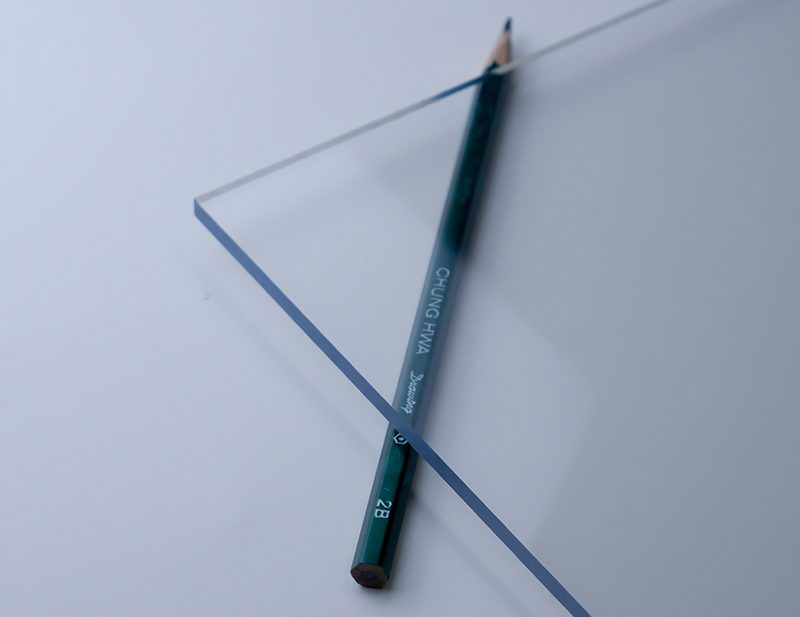
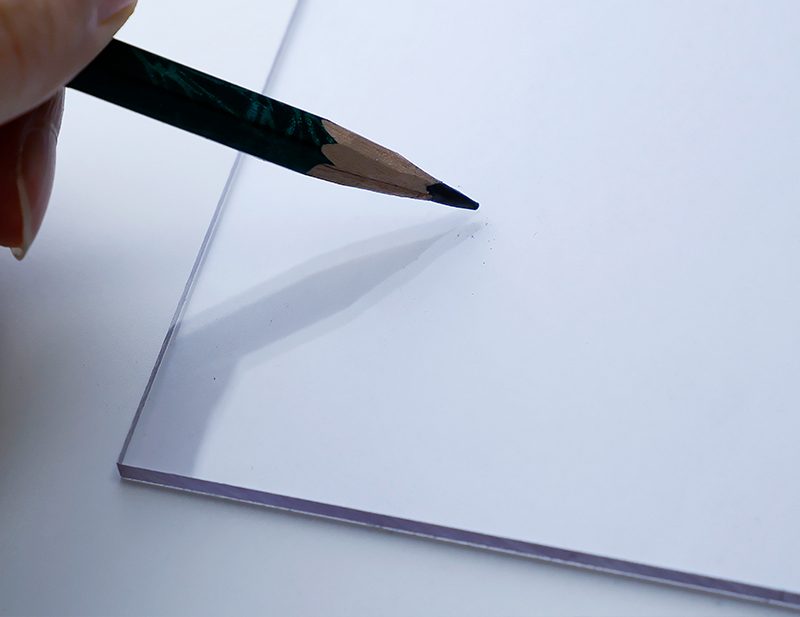


Images show the referenced product, process or application. Ask for a current production sample when colour, finish or fit must be approved.
Where to look next
Maximum optical clarity with full impact strength — up to 90% light transmission at 3 mm.
Condensation-resistant for at least five years — for cold rooms, food display and viewing windows.
Panels for secondary glazing, safety glazing and replacement windows — light, unbreakable, and cut to your survey sizes.
The general-purpose grade — around 200× the impact strength of glass, and it will not shatter.
Start with a trial order
Thickness, size, colour, quantity — or just upload the drawing. We quote in USD on FOB, CIF or DDP terms, from 100 m² or 1 tonne. No full-container commitment required.