Multiwall Polycarbonate Sheet
Twin-wall, triple-wall and honeycomb structures — lighter and warmer than solid sheet, for roofing and greenhouses.
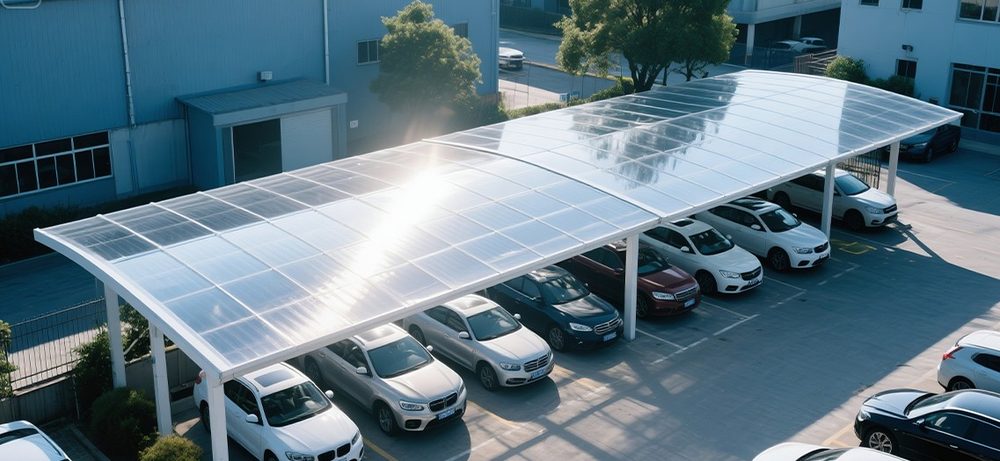
Vehicle shelters, bus stops and entrance canopies — impact resistant, and it will not shatter onto a car.
Carports and shelters are where polycarbonate’s impact resistance earns its price. A hailstone, a falling branch or a thrown bottle cracks glass or acrylic and drops debris onto whatever is parked underneath. Polycarbonate absorbs the hit.
It also cold-curves, which is why so many bus shelters and entrance canopies use a gentle arc — the curve is formed on site from flat sheet, with no tooling cost.
| Property | Specification |
|---|---|
| Typical construction | Solid 3–6 mm, or twin-wall 6–10 mm |
| UV protection | Required — co-extruded on the exposed face |
| Cold-curving radius | Minimum approx. 150× thickness (solid), 175× (multiwall) |
| Colours | Clear, opal, bronze, grey — bronze and opal reduce solar gain |
| Thermal movement | Allow approx. 3 mm per metre; oversize fixing holes |
For polycarbonate canopy sheet projects, Plastura checks canopy material selection before confirming the material. Send the span or finished dimensions, exposure and load conditions, preferred appearance, fabrication needs, and quantity. Standard stock sizes and colours normally run in 7–10 days; non-standard extrusion in 12–18 days; allow another 3–7 days for CNC work. The published starting point is 100 m² or 1 tonne, quoted in USD on FOB, CIF or DDP terms. See MOQ, lead time and shipping for planning details.
Bronze or opal if the shelter faces south and heat build-up matters; clear if the space underneath needs light. Tinted sheet cuts solar gain noticeably without making the structure dark.
Yes. Solid sheet cold-curves to about 150× its thickness — 3 mm sheet to roughly a 450 mm radius. Tighter curves need thermoforming, which we do in-house.
Polycarbonate is the standard specification precisely because it resists hail. Acrylic and glass in the same location crack; polycarbonate absorbs the impact and recovers.
From the factory
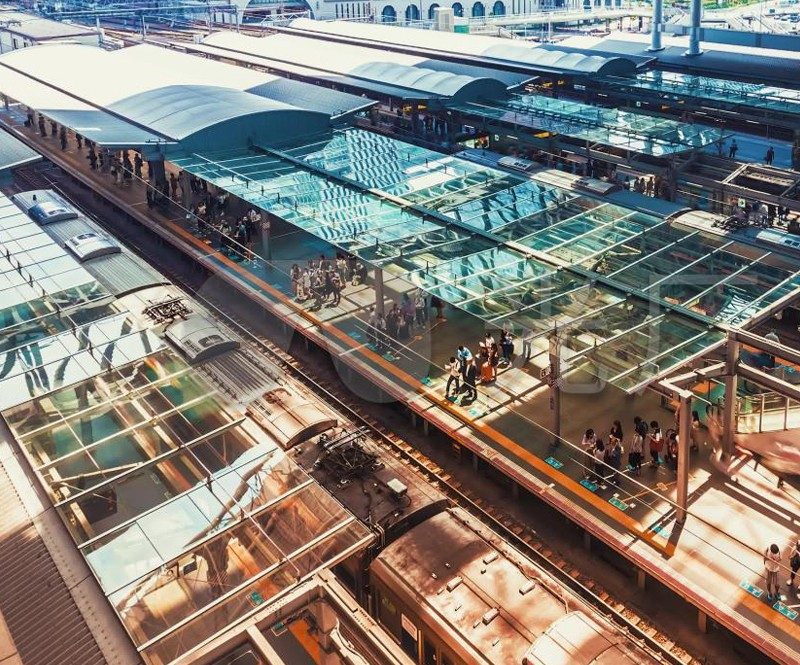
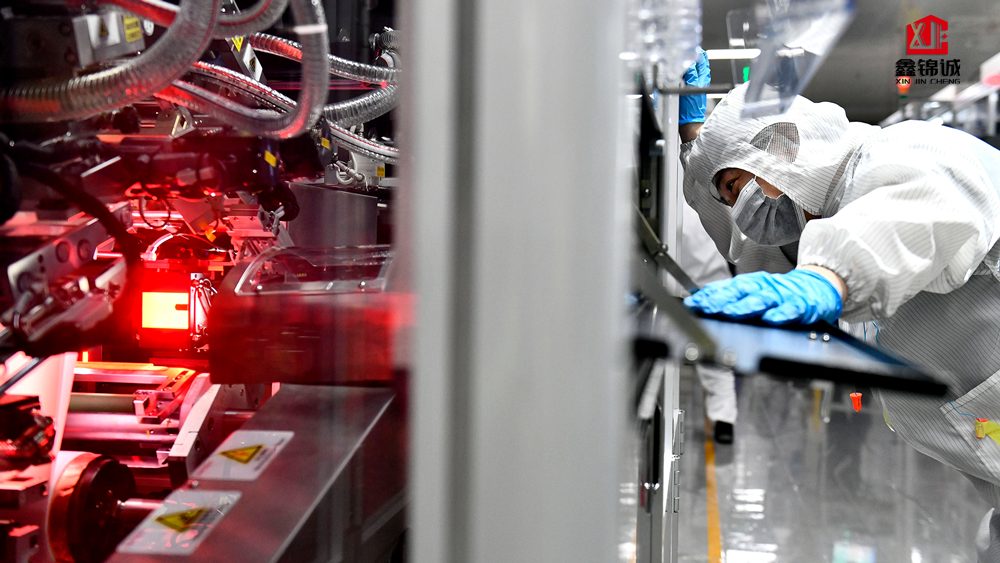

Images show the referenced product, process or application. Ask for a current production sample when colour, finish or fit must be approved.
Where to look next
Twin-wall, triple-wall and honeycomb structures — lighter and warmer than solid sheet, for roofing and greenhouses.
Roof lights, walkway covers and daylighting — where span, load and UV orientation decide the specification.
The general-purpose grade — around 200× the impact strength of glass, and it will not shatter.
Line bending, drape forming and 3D contour work — curves that would need tooling in other materials.
Start with a trial order
Thickness, size, colour, quantity — or just upload the drawing. We quote in USD on FOB, CIF or DDP terms, from 100 m² or 1 tonne. No full-container commitment required.